H200s Sale: China Reacts
Deep Dives
Explore related topics with these Wikipedia articles, rewritten for enjoyable reading:
-
Hopper (microarchitecture)
14 min read
Linked in the article (7 min read)
-
Huawei
12 min read
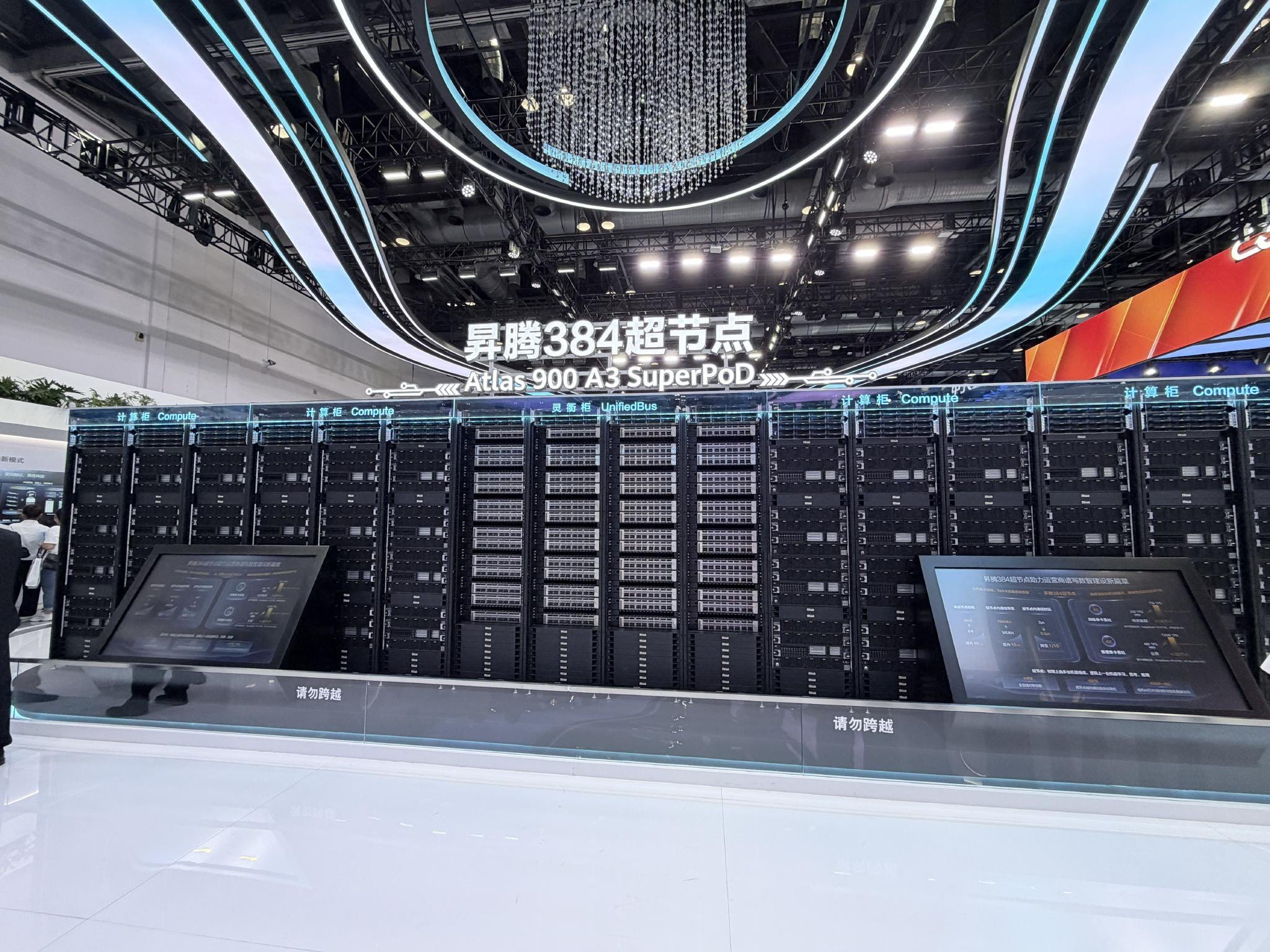
The article references Huawei's Ascend chips and Atlas 900 as China's primary domestic alternative to Nvidia GPUs. Understanding Huawei's history, its conflicts with the US government, and its pivot to chip development provides essential context for China's semiconductor self-sufficiency efforts discussed in the article.
President Trump announced that he will permit Nvidia’s H200 chips to be sold to China on Monday, December 8th. Beijing’s official response to this is extremely understated. This is the entirety of Spokesperson Guo Jiakun’s response to a question from Bloomberg on the H200 sale at the regular foreign ministry press conference on December 9th:
We have noticed the reports. China always advocates that China and the United States achieve mutual benefit through cooperation.
Since then, however, a range of commentary and opinions have come out of Chinese media, reflecting varied opinions. Some are excited, while others are deeply wary; most lie somewhere in between. We’ve selected four commentaries from the Chinese media landscape to excerpt, translate, and feature, as a way to encapsulate the debate happening inside China regarding GPU reliance. They include…
How cloud providers helped Chinese AI labs access top-tier compute, even while restrictions were in place;
Why transitioning from Hopper to Blackwell is labor-intensive, and how this shapes Chinese compute demand;
How inference differs from training, and where Chinese chipmakers might shine in the market;
And Taiwanese chip makers having a brief panic attack amid the crossfire.
Translations of the original Chinese were done by ChatGPT 5.1 Thinking, then verified manually by the ChinaTalk team for accuracy and fluency. Hyperlinks were added by Irene where context is useful.
Secrets of the Cloud
This first analysis is by Xinzhi Observatory 心智观察所, a media brand covering high-tech that’s owned by Shanghai-based news site Guancha 观察网. Guancha is on the nationalistic end of the Chinese media spectrum, with a penchant for virality. Xinzhi Observatory’s reporting on tech has a more nuanced style, but its assertions should still be taken with a grain of salt. Nevertheless, the piece is a useful read because it reflects popular mainstream attitudes towards the H200s deal: that it is a temporary compromise that benefits Chinese development in the short run, but does not undercut China’s progress in indigenizing the chip supply chain. Its insights into how Chinese labs have managed to access advanced compute via cloud service providers is also revealing.
In Nvidia’s AI product lineup, the Hopper series (including the H100 and H200) represents the previous-generation “ace,” focused on data-center-class AI acceleration and already widely used in supercomputers
...This excerpt is provided for preview purposes. Full article content is available on the original publication.