Designing the Powerpuff Girls
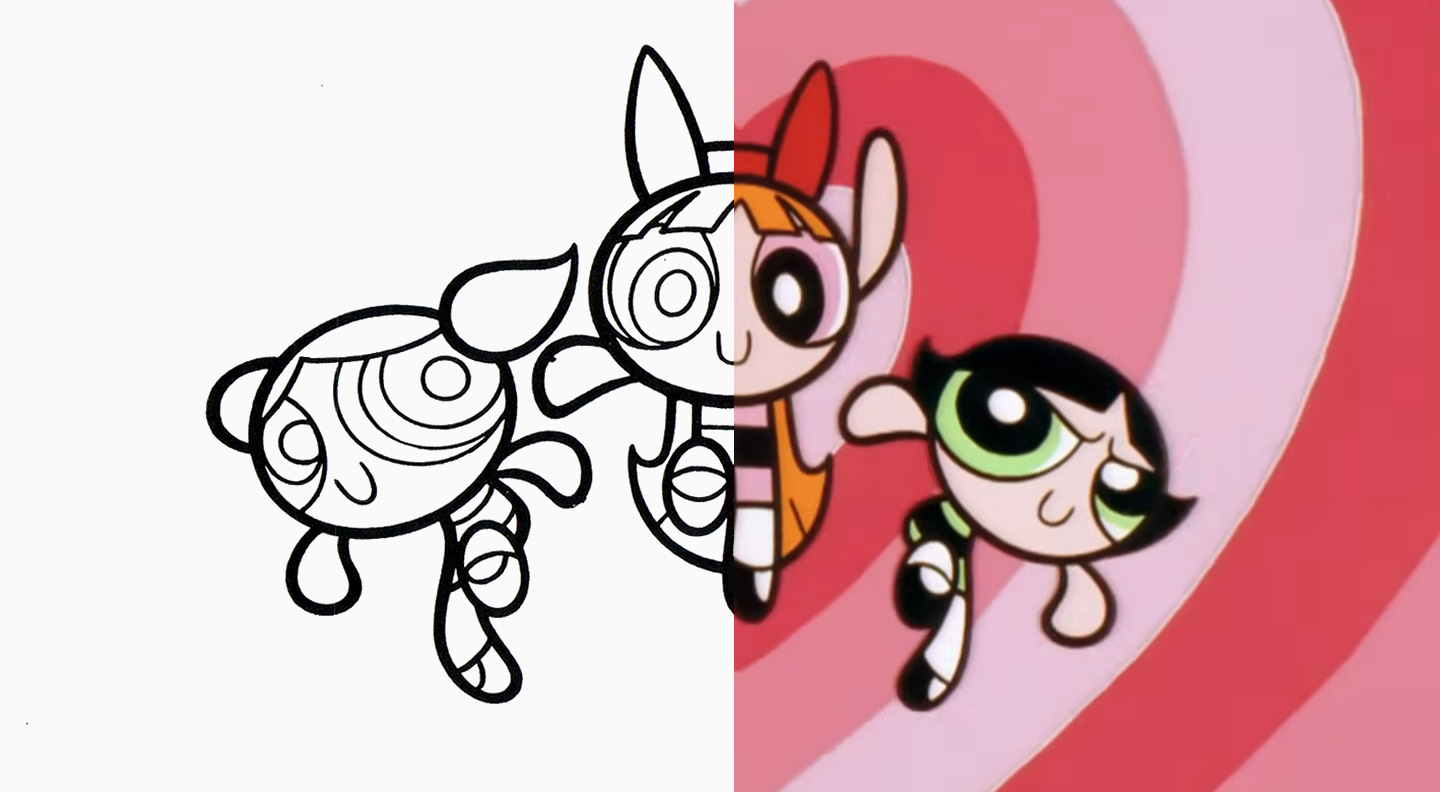
Welcome! Glad you could join us. This is another Sunday edition of the Animation Obsessive newsletter, and here’s our slate:
1. The creation of Blossom, Bubbles and Buttercup.
2. Animation newsbits.
With that, let’s go!
1. Iconic
Startling as it may be, the original Powerpuff Girls series is 27 years old. It predates the iPod and George Lucas’s three prequels. When it started in late 1998, who figured that it would still be as relevant as it is?
Not Craig McCracken, creator of the thing. “I thought I would get a college hit where 20-year-olds would watch it in their dorms when they’re stoned,” he once said. “That was it.”1
Even after Powerpuff’s surprise success, McCracken felt it couldn’t last. “The fact that Powerpuff is hot right now means it’s going to be a joke someday. People will hate it because it was popular,” he told the magazine Bust in 2002.2 And yet here we are. The show might be more beloved than it ever was.
The original Powerpuff owes its enduring fame to a lot of things. Take its scripts and stylish backgrounds — or its voice cast and inventive, memorable stories. That said, one specific thing brought the show into existence. And that thing gave Powerpuff the instant recognizability that let it soar:
The iconic designs of Blossom, Bubbles and Buttercup.
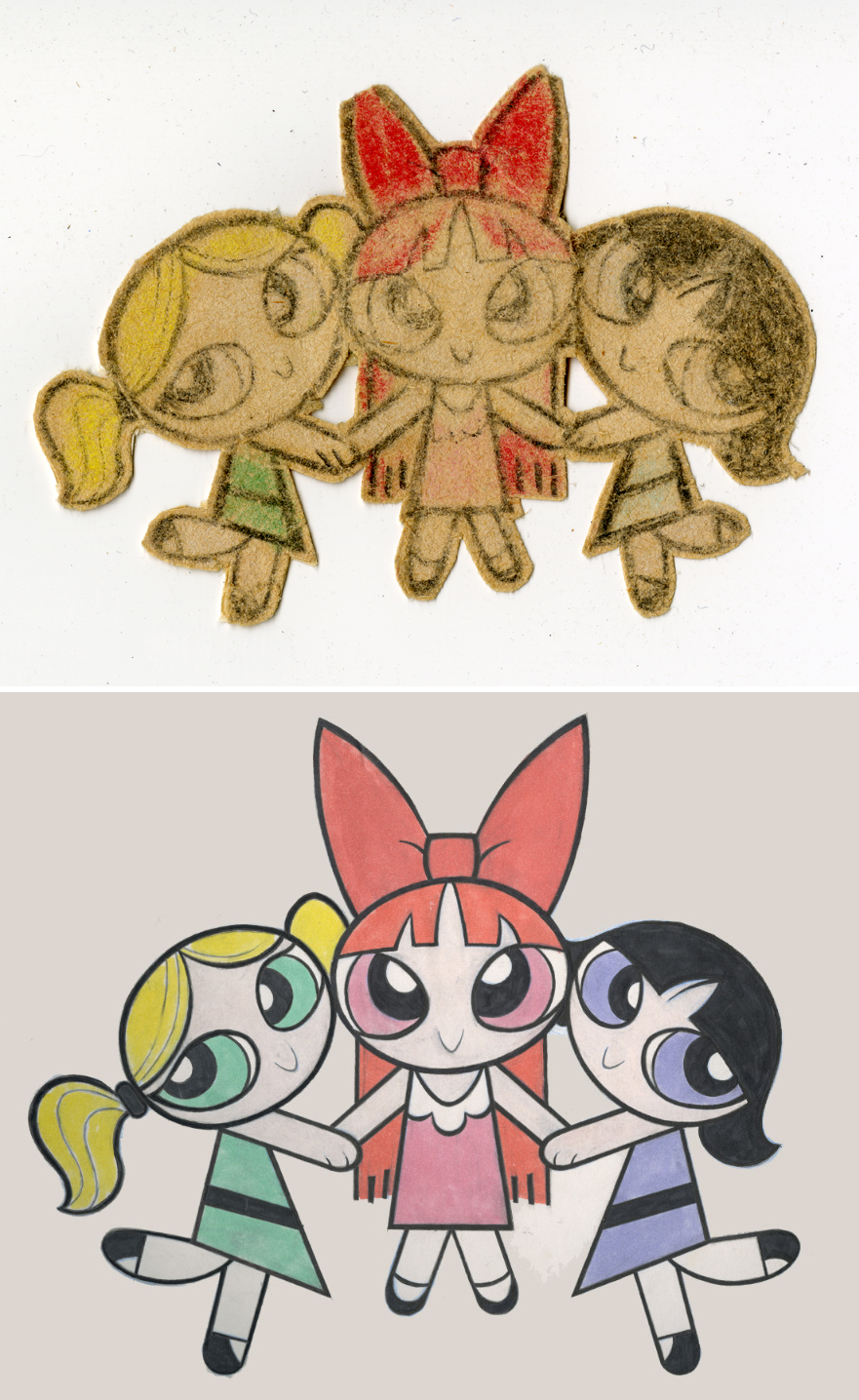
Back in 1991, Craig McCracken was a promising student at CalArts. Like his school friends Genndy Tartakovsky and Paul Rudish, he was in love with the flat, graphic cartoons of UPA. The new generation looked to the past to find the future. McCracken recalled:
I always knew there was this graphic style that I liked — I had seen it somewhere. ... But growing up in Southern California, you know, there was no access to UPA cartoons... you might’ve seen it somewhere, in some ether world, and your subconscious remembers seeing it, but it wasn’t till I got to CalArts that I really found it and realized that’s the stuff — that fifties graphic style that I knew I always liked; I just didn’t have any reference to it.3
It was the start of the “UPA revival” era. Young artists
...This excerpt is provided for preview purposes. Full article content is available on the original publication.