Why Everyone Loves Japan
Deep Dives
Explore related topics with these Wikipedia articles, rewritten for enjoyable reading:
-
Immigration to Japan
12 min read
Linked in the article (14 min read)
-
Soft power
11 min read
The article extensively discusses Japan's cultural influence abroad through anime, manga, food, and fashion - all classic examples of soft power. Understanding this political science concept coined by Joseph Nye helps readers grasp the strategic implications of cultural appeal that the author argues Japan underutilizes.
-
Cool Japan
12 min read
The article directly addresses Japan's cultural export strategy (or lack thereof) and the Kodansha manager's surprising skepticism about overseas markets. Cool Japan is the actual Japanese government initiative to promote cultural exports that the author is implicitly critiquing.


I hope everyone had a Merry Christmas! Winter holiday season is here, and for an increasing number of Americans, that means traveling abroad. Europe and Mexico are still hot destinations, but in recent years, Japan has skyrocketed to the top. In many places, Tokyo is the most-booked international flight destination:
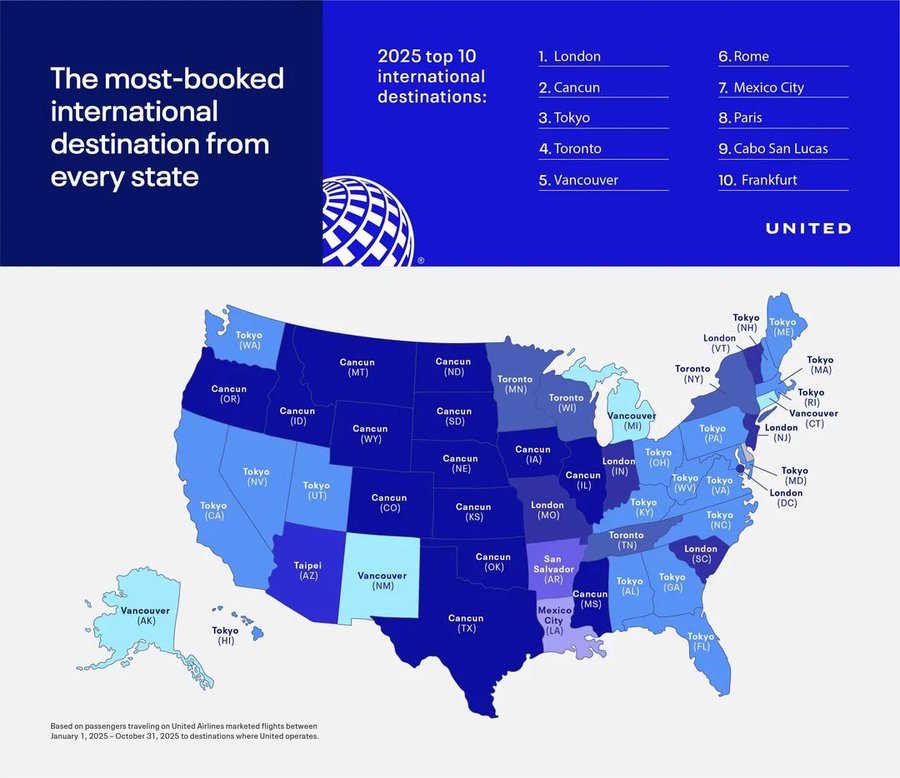
Some of this is because of transfer flights to the rest of Asia, but most of it is just because practically everyone in America — and the world — at large wants to go to Japan these days. Every year, various friends text me requests for my Japan recommendations right around this time of year (I should really write a blog post summarizing these. I did one in the 2010s, but it’s totally out of date.) I myself will be there in early January.
Anyway, the fact that everyone is going to Japan right now provides a perfect opportunity for me to explain how the world’s love for Japan creates a key opportunity for that island nation to revive its sluggish economy.
In March, I published my first book, Weeb Economy — but only in Japanese. Half of the book was a series of translated posts from my blog, so those are already in English. The other half was a new part that I wrote in English and had translated into Japanese by my excellent translator, Kataoka Hirohito. Eventually the whole book will come out in English, but right now I’m publishing the new half as a series of blog posts. Here are the first two:
Part I: “I Want the Japanese Future Back!”. Here I explained why Japan is now basically a developing country again, and why this requires bold, persistent experimentation with new economic approaches.
Part II: “FDI is the Missing Piece of Japan’s Puzzle”. In this post I cited some prominent examples of how foreign-owned factories, research centers, and startups are already giving Japan’s cutting-edge high-tech industries a boost. I explained why one specific type of foreign direct investment — greenfield platform investment — is so much more important than the other types, and why Japan largely ignored this type of investment until recently. I explained the many benefits of greenfield platform investment, and listed some ways that Japan’s current economic conditions make it especially favorable to this type of
This excerpt is provided for preview purposes. Full article content is available on the original publication.