Recent Reading: March 2023
Deep Dives
Explore related topics with these Wikipedia articles, rewritten for enjoyable reading:
-
Gwendolyn Brooks
11 min read
The article discusses Brooks's novella Maud Martha extensively, praising its narrative voice and themes. Learning about Brooks—the first African American to win the Pulitzer Prize for Poetry—provides essential context for understanding the significance of this overlooked work.
-
John Maynard Keynes
18 min read
The Guest Lecture centers on a character practicing a talk about Keynes and his misunderstood economic ideas. Understanding Keynes's actual theories on economics, utopia, and optimism would enrich appreciation of the novel's intellectual content.
-
International Criminal Court
13 min read
Kitamura's Intimacies features a protagonist interpreting for a war criminal at an international court in The Hague. Understanding how these courts function and prosecute war crimes adds depth to the novel's exploration of uncomfortable intimacies and complicity.
I’m sending out this round-up of my March reading before we get to May (barely) — I’ll take that as a win. Here are the books I read last month:
Maud Martha by Gwendolyn Brooks (1953; Faber, 2022):
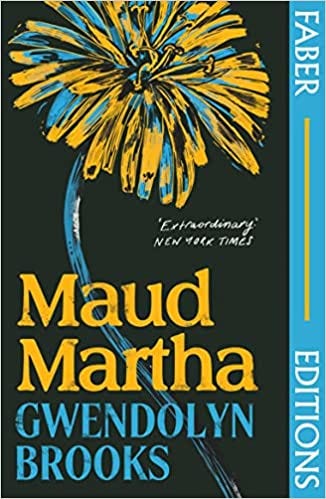
This was the March pick for One Bright Book — you can listen to our conversation here or in your podcast app — and we had a lot of fun discussing it. The book is out of print in the U.S., and I’d love to know why. Do any of my readers know the story here? The book was recently reissued in the U.K., but not here. It’s too bad because the book is fabulous and would probably be popular to teach. It’s a novella about the life of Maud Martha Brown, a girl and then young woman from Chicago, told in vignettes that follow her from her school days into teen years and then marriage and motherhood. The book has a wonderfully entertaining narrative voice that sometimes sounds like Maud Martha’s own thoughts — occasionally slipping into first person — and sometimes hovers outside her, rendering her observations in lively, poetic prose. As the book goes on, the vignettes get more complex, or at least take up adult concerns, turning to the disappointments of adulthood and the social ills of racism and colorism. World War II begins. I loved how flexible and varied the narrative voice is; it’s by turns evocative, funny, angry, ruminative, philosophical. I also loved Maud Martha’s strength and self-love — she knows who she is even if the world around her doesn’t.
In a Lonely Place by Dorothy B. Hughes (1947; NYRB Classics, 2017)

I read this as part of Kim McNeill’s #NYRBWomen23 group on Twitter (you’re going to hear me saying that a lot — the group reading experience has been fabulous). It’s actually a reread for me; I read it back in 2012 for my mystery book group (which has been meeting since 2008!). What a wonderfully creepy book. Being in Dix Steele’s mind feels claustrophobic, much as being in Tom Ripley’s mind does, although of course Ripley came later (1955). Both books are written in that close third person that you might later swear is actually first person, until you go back and check. So many interesting things are going on here — a crisis of masculinity, nontraditional detectives, California car and beach
...This excerpt is provided for preview purposes. Full article content is available on the original publication.