Two novels by Julia Phillips
I’m writing to you from an AirBnB near Portland, Maine. My family has been driving through New England and Quebec for two weeks. During our travels, I’ve read two novels by American author Julia Phillips.
Phillips’ first book, Disappearing Earth, was published in 2019 and I’ve been meaning to read it ever since. Disappearing Earth is called a novel, but it’s actually a series of linked stories about the disappearance of two young sisters in the Kamchatka Peninsula. Each chapter takes place during a month in the year after the sisters disappear and features a different set of characters who are impacted, directly or indirectly, by the event. I’ve never read anything set in Kamchatka—a remote part of Russia that I mainly associate with the game of Risk, but parts of Disappearing Earth vividly reminded me of the summer when I studied in Russia, in 1997. Reading a scene set in a banya (sauna), I could smell the birch and eucalyptus in the little banya at my host family’s dacha, see my host sister’s shy smile as she told me how her father had built the structure with his own hands, feel the steam coming off the hot rocks and burning my throat. I arrived in Russia right after the summer solstice, at the tale end of the White Nights. I wish I’d known back then about the indigenous people of Russia who celebrate a new year at the summer solstice. I studied Russian for years in college and grad school, but I never encountered this fascinating tradition until Disappearing Earth.
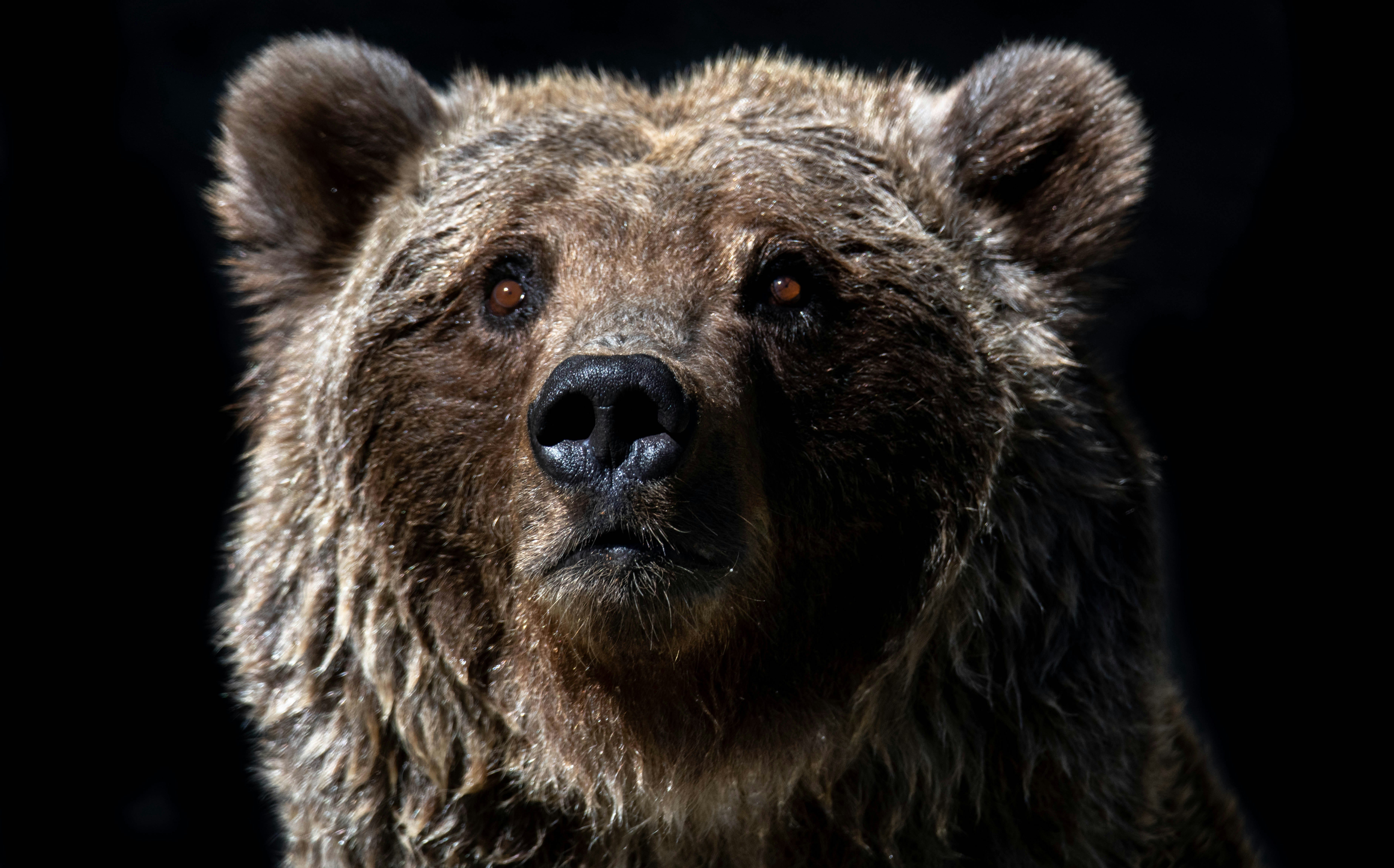
Phillips’s second novel, Bear, is also about sisters in a remote and forested part of the world, but this time it’s the San Juan Island off the coast of Washington. Bear is stranger than Disappearing Earth. (Kudos to Phillips for using the cred from her successful debut to publish an unapologetically literary novel.) From the outset, an epigraph from the Grimm Brothers’ story, “Snow White and Rose Red,” informs the reader that we’re in fairy tale territory. But Bear is not a retelling of the Grimm fairy tale about two sisters who befriend a bear. Phillips uses the fairy tale trope to signal the presence of modern-day monsters: climate change, violent men, healthcare debt, rude tourists.
When an actual bear swims into their lives,
...This excerpt is provided for preview purposes. Full article content is available on the original publication.