UD Round-Up #01: Fifteen minutes of fame.
The Unevenly Distributed round-up gives a perspective on what’s happening in the markets we cover, why it’s happening, and how it’s all connected.
From Africa to the world
How large a company can get depends on the answer to two questions: 1.) How many customers can it acquire? 2.) How much money can it make from each customer? In Africa, the answer to the second question is often: not very much.
For some African companies1, one way to solve for the low consumption of the African market is by selling to a global market. This comes with its own challenges as global markets are typically more competitive. However, in some cases, operating (or launching) a business in Africa comes with certain structural advantages.
Resources as an advantage
54gene (Endeavor company) describes itself as ‘a health technology platform company… building diverse datasets to unlock scientific discoveries as well as improve diagnostic and treatment outcomes within Africa and the global community.’ [emphasis mine]. African genetic information has certain structural advantages when it comes to drug discovery. The diversity of Africa’s population makes its genetic information more valuable for drug discovery. Because it is operating in Africa and able to collect genetic information from Africans, 54gene occupies a valuable strategic position in the global pharmaceuticals industry.
Similarly, Andela’s original thesis was that ‘talent is equally distributed, while opportunity is not’. Therefore, it could acquire talent where it exists (at a low price), train it, and then sell it to markets where opportunity exists and talent is more expensively priced. Its structural advantage was operating in Africa, where it could hire and train developers at a low cost. The thesis, or maybe its execution of the thesis, seems to have hit roadblocks recently, but it was perfectly reasonable and other companies seem to be attempting to execute on the same thesis.
Infrastructure/regulatory deficit as an advantage
It often takes a while for society to adjust itself to cutting-edge technologies. The existing infrastructure and regulation often cannot accommodate new innovations. This is why emerging markets often ‘leapfrog’ more developed markets. It’s the reason why crypto has higher adoption rates and more developed use cases in emerging markets than many developed markets. It’s why Nigeria, India, and Brazil are three of the largest markets by volume of instant bank transfers.
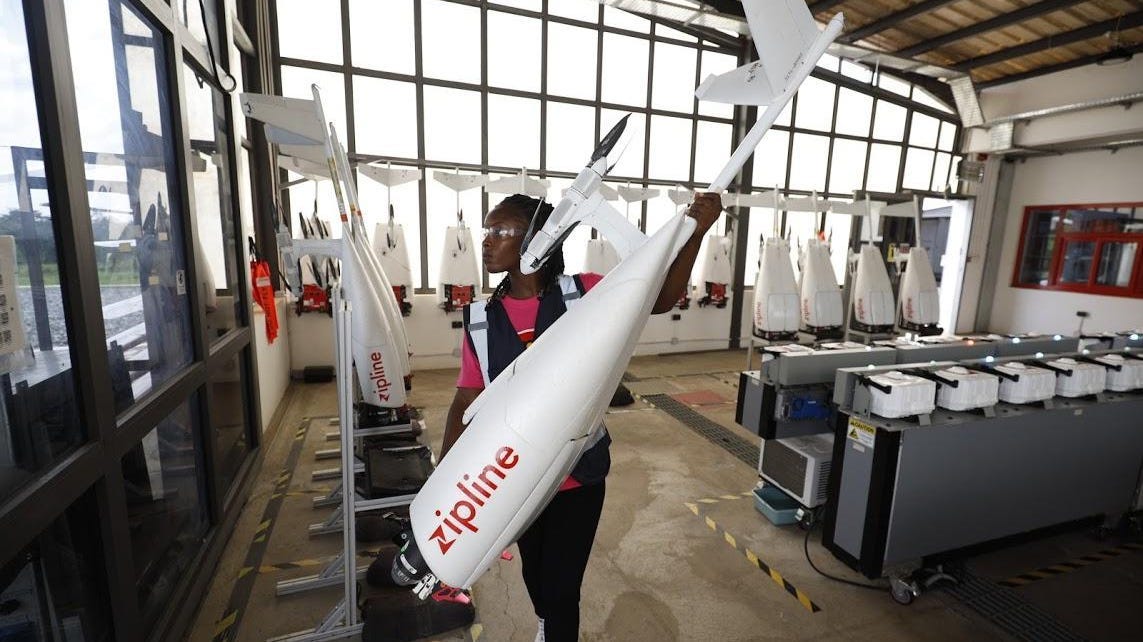
Earlier this week, Zipline announced a $250M round valuing the company at $2.75B.
...This excerpt is provided for preview purposes. Full article content is available on the original publication.