Why is Trump so fixated on Venezuela?
Deep Dives
Explore related topics with these Wikipedia articles, rewritten for enjoyable reading:
-
United States invasion of Panama
13 min read
The article explicitly draws parallels between Trump's Venezuela approach and George H.W. Bush's 1989 invasion of Panama to depose Manuel Noriega on drug trafficking charges - understanding this historical precedent illuminates the playbook being referenced
-
Venezuelan presidential crisis
11 min read
The article references the 'first (botched) attempt to topple the Venezuelan government' in 2019 when Rubio tweeted Gaddafi images - this crisis where the US recognized Juan Guaidó provides essential context for understanding the current 'second attempt'
-
Henry Kissinger
14 min read
The article compares Marco Rubio's dual role and foreign policy approach to Kissinger - understanding Kissinger's controversial tenure as both Secretary of State and National Security Advisor provides context for the critique being made
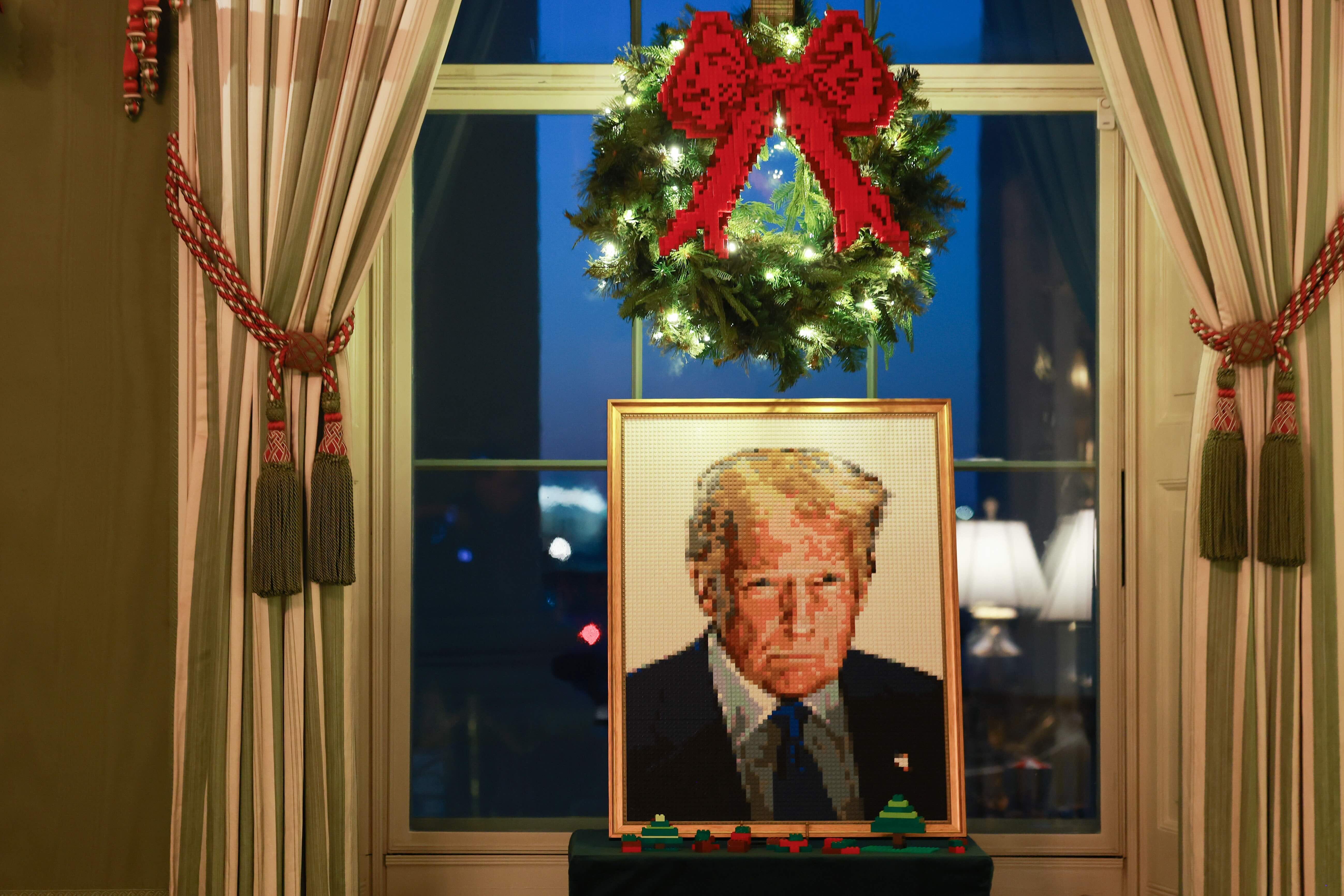
Donald J. Trump seems to be experiencing a phenomenon that has also captivated many of his predecessors, which is that they become almost monomaniacally consumed with foreign affairs, virtually to the exclusion of all else.
Not that this doesn’t make intuitive sense — it’s the domain where Presidents wield by far the most unchecked unilateral power. They can simply ignore a chronically inert Congress. They can even largely ignore public opinion, which typically doesn’t intrude on presidential decision-making until a critical mass of Americans divine some adverse impact from a far-off military action, which is rare. General lack of knowledge about international issues, coupled with a tendency to partisan-polarize around the personage of the President, makes the subject area especially ripe for shaping public attitudes in accordance with whatever the President wants to do. This can be observed in a recent poll showing that 87% of Republicans now believe Venezuela constitutes “a threat to US security.”
It’s also an area that Presidents often feel they can achieve their most enduring historical “legacies.” Gore Vidal relayed that his onetime friend “Jack” Kennedy had once explained to him that in order to be “a great President,” one must become a “war President.” That’s who the people remember and revere, JFK reputedly maintained — case in point being Abraham Lincoln and Franklin D. Roosevelt. Vidal postulated it was this meta-historical belief that broadly informed JFK’s war-making excursions in Vietnam, Cuba, and elsewhere.
George H. W. Bush exhibited a comparable mentality, taking it upon himself to rid the Nation of what he lamented was its “Vietnam syndrome” — excess skepticism of overseas adventurism — that had for too long hampered the United States from exerting rightful and overwhelming force all across the world. Bush cured this nagging malady by engineering the First Gulf War, and perhaps more relevantly for today’s purposes, the invasion of Panama. “By God,” rejoiced Bush, after Saddam was driven from Kuwait. “We’ve kicked the Vietnam syndrome once and for all!” Also for the purposes of national empowerment and rejuvenation, Bush arranged a fortuitous pretext to depose the reviled leader of Panama, Manuel Noriega, on the ground that Noriega was wanted by the United States for “drug trafficking.”
...This excerpt is provided for preview purposes. Full article content is available on the original publication.