A Senate majority could be within Democrats’ reach
Deep Dives
Explore related topics with these Wikipedia articles, rewritten for enjoyable reading:
-
2026 United States Senate elections
11 min read
Linked in the article (28 min read)
-
Sherrod Brown
12 min read
The article discusses Brown as a key figure in Democratic Senate strategy, referencing his past positioning on climate and energy policy in Ohio. Understanding his political history and evolution would provide valuable context for readers.
I wasn’t paying much attention to last week’s special election in Tennessee until the votes came in and a little factional squabbling started about whether that race would have been winnable had Democrats not nominated such a progressive candidate.
It’s a very red seat, and I think clearly Democrats should have tried to nominate someone better-suited to the district. But also, it’s a very red seat, and basically any candidate Democrats nominated would have lost.
Still, to an extent, that whole conversation is beside the point. What’s important about the race is that Aftyn Behn lost by nine percentage points in a district that Kamala Harris lost by 22. And what’s particularly significant about that is that this election attracted millions of dollars in ad spending and interventions by both Donald Trump and Kamala Harris.
We know that Democrats now dominate with the highest-propensity voters and thus have the opportunity to score big overperformances in elections that nobody is paying attention to. That’s why Democrats did so much better in November’s obscure Georgia utility regulator races than they did in the higher profile gubernatorial contests in Virginia and New Jersey.
The Tennessee special election wasn’t like that.
Democrats do seem to have benefited from differential turnout, but it was high turnout overall. And more to the point, turnout isn’t purely exogenous. This ended up being a fairly high-salience race. Republicans spent meaningful amounts of money trying to both motivate their base and persuade persuadable voters. There was a House special election in Florida back in April where Democrats lost by 15 in a seat that Harris lost by 37. The key thing about that race is that it was barely contested by either side because the district is so uncompetitive. The scale of Democratic overperformance in this race did convey information about something, but it wasn’t a good model of what a real election would look like.
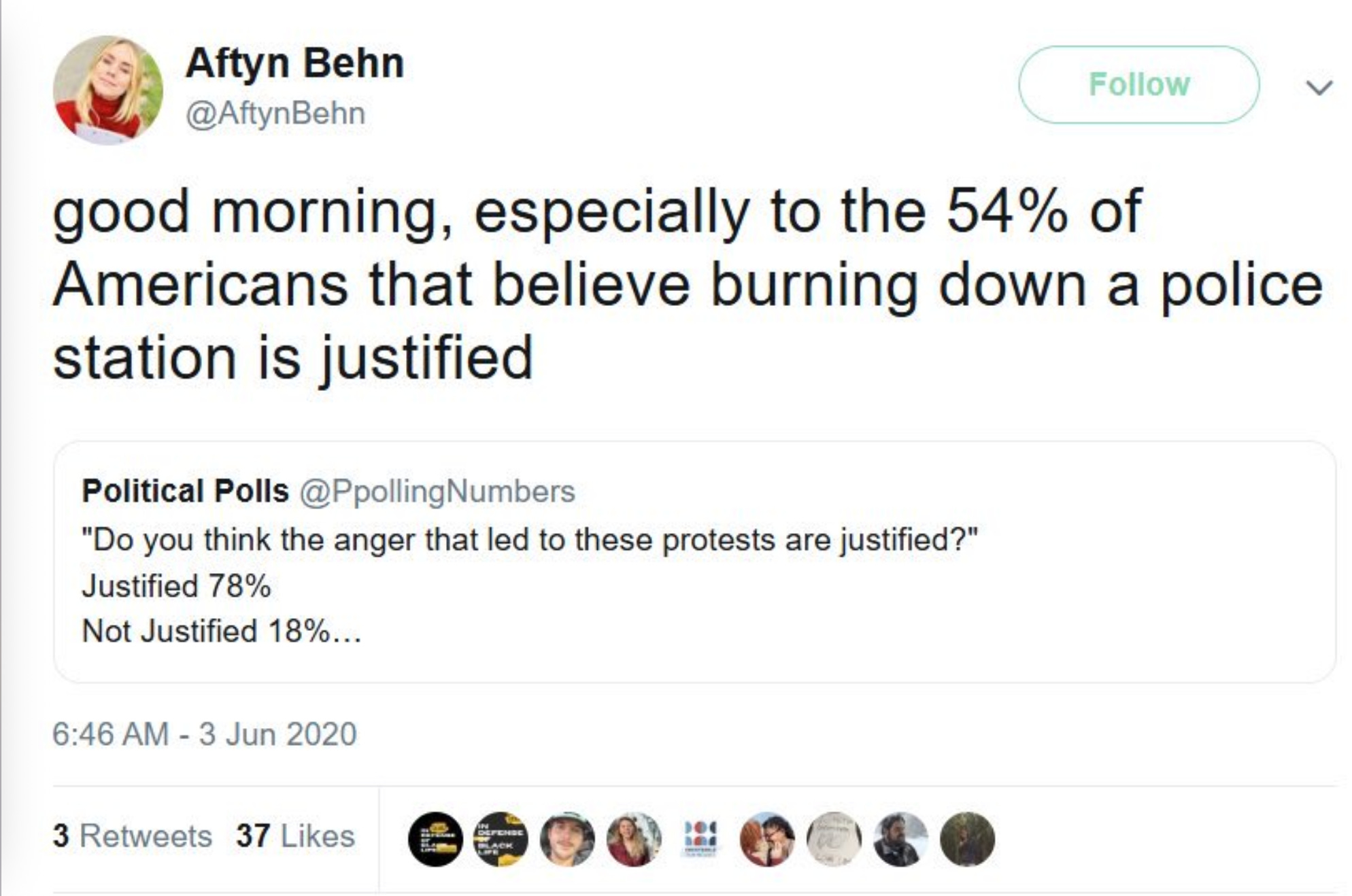
The Tennessee special, by contrast, was a real election with real budgets and some earned media attention. And Behn, though by most accounts a charismatic person and effective public speaker, was a genuinely terrible candidate for the district. Unlike Zohran Mamdani, she declined to disavow earlier support for defunding the police and had a record of inflammatory statements that made it clear she wasn’t just talking about hiring more social workers.
If Democrats can
...This excerpt is provided for preview purposes. Full article content is available on the original publication.