Shrinking rural school districts threaten Republican strongholds
Deep Dives
Explore related topics with these Wikipedia articles, rewritten for enjoyable reading:
-
Rural flight
13 min read
The article discusses demographic decline in rural America but doesn't explore the historical and sociological phenomenon of rural-to-urban migration. Understanding the multi-generational patterns of rural flight provides essential context for why these school districts are shrinking.
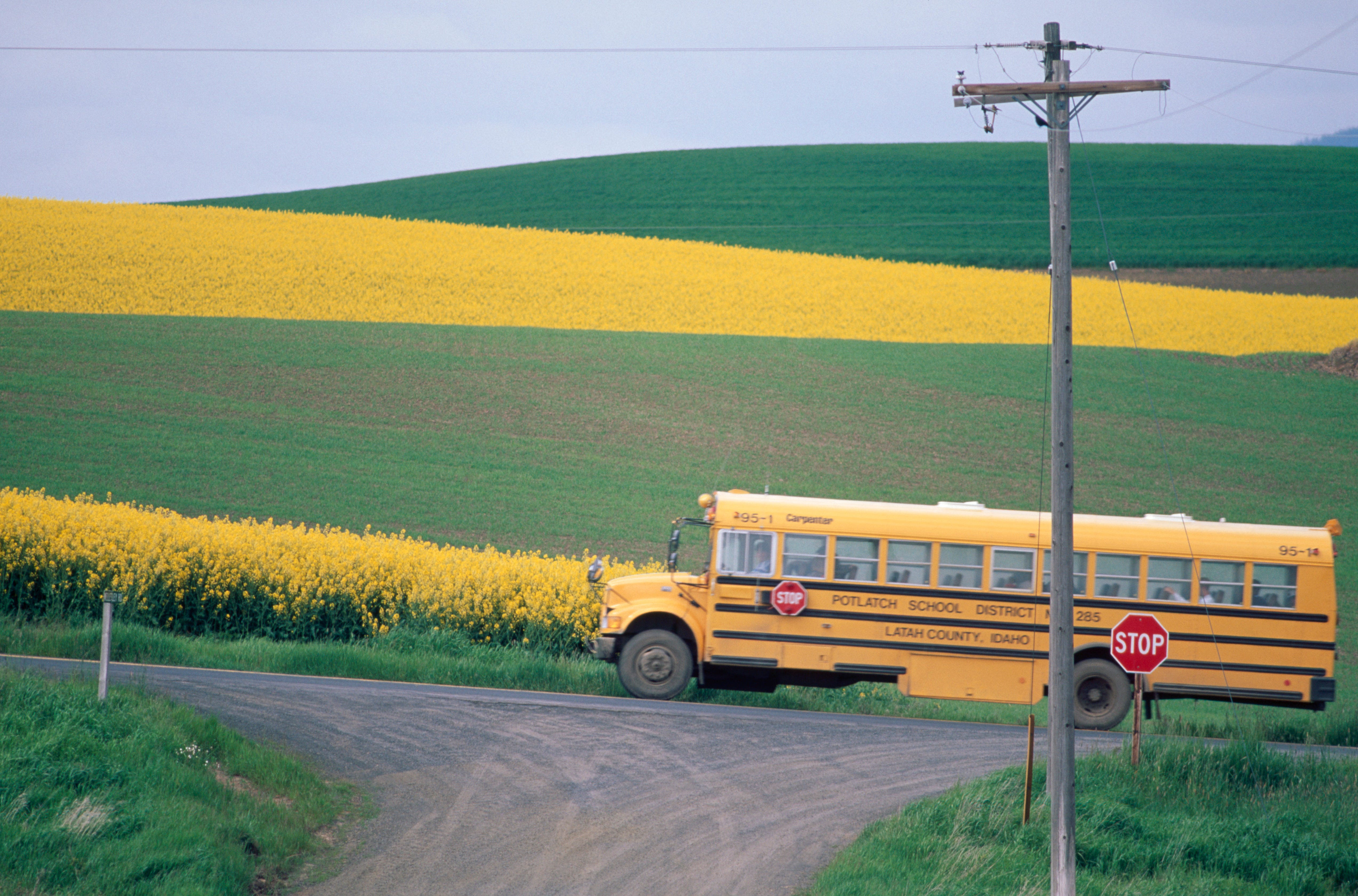
Education Week reports that 70 percent of districts across Wisconsin have lost students over the past decade, and the trend is similar across much of rural America. In California, some small districts that once enrolled more than 1,000 students in the early 2000s are now down to roughly 400 students in 2024. These long-term demographic shifts are tied to aging populations, declining birth rates, and limited local job growth in America’s most sparsely populated areas. And it’s becoming clear that they also threaten the institutional backbone of many Republican-leaning communities.
Faced with fewer students and less revenue, districts have begun making structural changes that would have been politically unthinkable a generation ago.
The most widely covered example is the rise of the four-day school week. In 1999, only about 100 school districts used the shortened schedule. Today more than 2,100 schools in 26 states have adopted it. District leaders, like those in rural Texas, commonly point to teacher shortages and declining enrollment as the main reasons for adopting the structure.
Nebraska Public Media in August published a thorough report on the effects of the model: There is evidence that rural districts that implement it see higher levels of teacher recruitment and retention and strong improvements in student behavior and attendance, but the financial advantages for districts are not yet widely significant. What’s more, the model leads to knowledge gaps and threatens to put students who are on free-lunch programs or live in abusive households at higher risk. And for rural families, who are often poorer and work blue-collar jobs, the burden of finding additional child care can be financially ruinous.
But the political dynamic is complicated and leaves communities with few options — voters fiercely oppose tax increases, legislators resist new education spending, and rural boards are left with almost no levers to pull except the schedule.
The four-day model is overwhelmingly rural; almost no major urban districts have adopted it, but it is not a particularly ideological trend. Colorado, a reliably blue state (which historically was purple until its urban centers exploded), now has roughly two-thirds of its districts on altered schedules. The issue cuts across partisan lines in state houses, but the consequences do not. Blue or purple states may host these districts, but the rural voters living in them
...This excerpt is provided for preview purposes. Full article content is available on the original publication.