Could Canada Block Arms Sales to the Trump Administration?
Deep Dives
Explore related topics with these Wikipedia articles, rewritten for enjoyable reading:
-
Arms Trade Treaty
13 min read
The article discusses Canada's obligations under this UN treaty and the controversial US exemption loophole. Understanding the treaty's scope, signatories, and enforcement mechanisms provides essential context for the legal and diplomatic tensions described.
-
Universal Periodic Review
11 min read
The article notes the US refused to participate in this UN human rights mechanism for the first time since its 2006 inception. Understanding how this review process works and its historical significance illuminates the diplomatic implications of the US withdrawal.
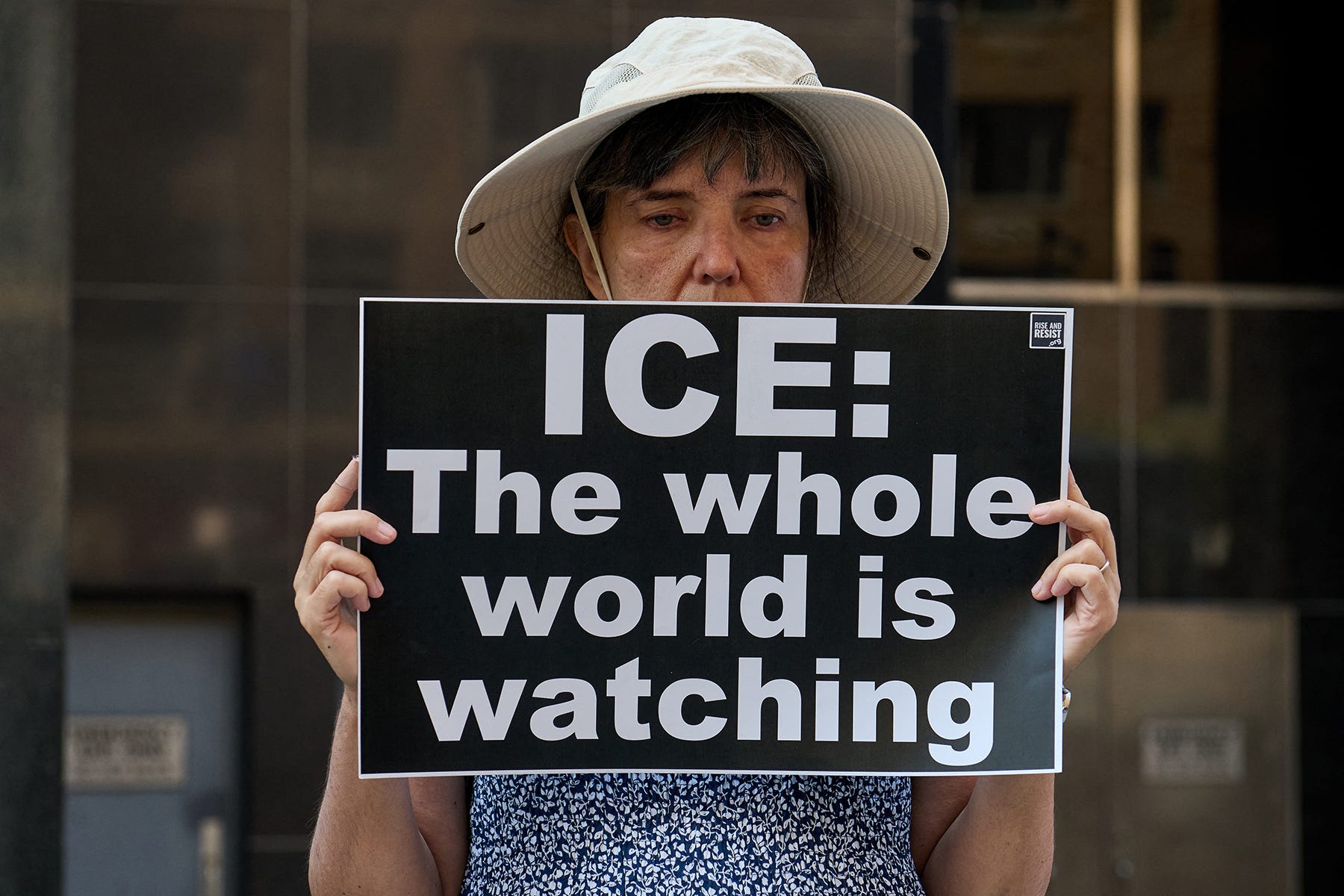
Canadian lawmakers are questioning whether the US agency behind Donald Trump’s lawless immigration raids can be trusted with newly purchased Canadian military-grade vehicles.
The effort, led by one progressive member of parliament, to block unfettered sales of military equipment to the United States offers a test of the North American defense relationship and the US’s standing as the self-proclaimed leader of the free world. Trump is less than a year into his second term, but his damaging actions could have a longtime US ally treating its neighbor to the south like it’s a totalitarian dictatorship.
A Canadian manufacturer, Roshel, recently agreed to sell 20 armored vehicles to Immigration and Customs Enforcement, or ICE. The deal, which will cost US taxpayers an estimated $7.2 million, has raised alarm among some legislators and anti-war advocates who cite ICE’s shameless human rights abuses.
According to US contract filings reviewed by Zeteo, the sale was approved on Nov. 28, and the estimated completion date is Dec. 31. The Department of Homeland Security, which includes ICE, is listed as the funding agency.
The armored vehicles that ICE is purchasing are qualified as STANAG 4569 Level 2 protection, a NATO designation that means it can withstand a 13-pound TNT blast and military-grade ammo.
Federal filings said Roshel was awarded the contract because it was able to fill the order quickly, adding that the vehicles are “required to support the agents in the field.”
“Beyond the information provided above, delaying this procurement to pursue a fully competitive action would significantly impact operational readiness and hinder ICE’s ability to deploy mission-critical resources in a timely manner,” the filings said.
ICE did not return Zeteo’s request for comment about the purchase.
Jenny Kwan, a New Democratic Party member of Parliament, told the Canadian Press she was “profoundly” troubled by news of the sale to ICE given credible accusations of human rights abuses.
“I think Canadians expect our industries and our government to uphold human rights domestically and internationally, and not enable the further militarization of an organization whose conduct already puts vulnerable people at great risk,” Kwan said.
Trump’s second administration has led an unprecedented mass deportation campaign, conducting violent street-level raids around the US while arresting immigrants at routine court appearances. ICE detained about
...This excerpt is provided for preview purposes. Full article content is available on the original publication.