Brain Food #857: Why worry
Children start to worry as early as age three, when their imagination begins to work and they start to picture possible (and not-so-possible) events. Worrying is part of human nature, part of caring about how the future will pan out, about wanting to have a future in the first place.
The more the world spirals out of control, the more it leads to worry. It is a form of defence mechanism: imagining the worst, in order to be prepared for it. Scientists have even linked worrying to magical thinking — if we worry enough about something, we might prevent it from happening.
Though worrying may stimulate the imagination into anticipating multiple scenarios and being able to better plan for the future, there is also a fundamental flaw in it: many of the things we worry about will never happen. Meanwhile, the present passes.
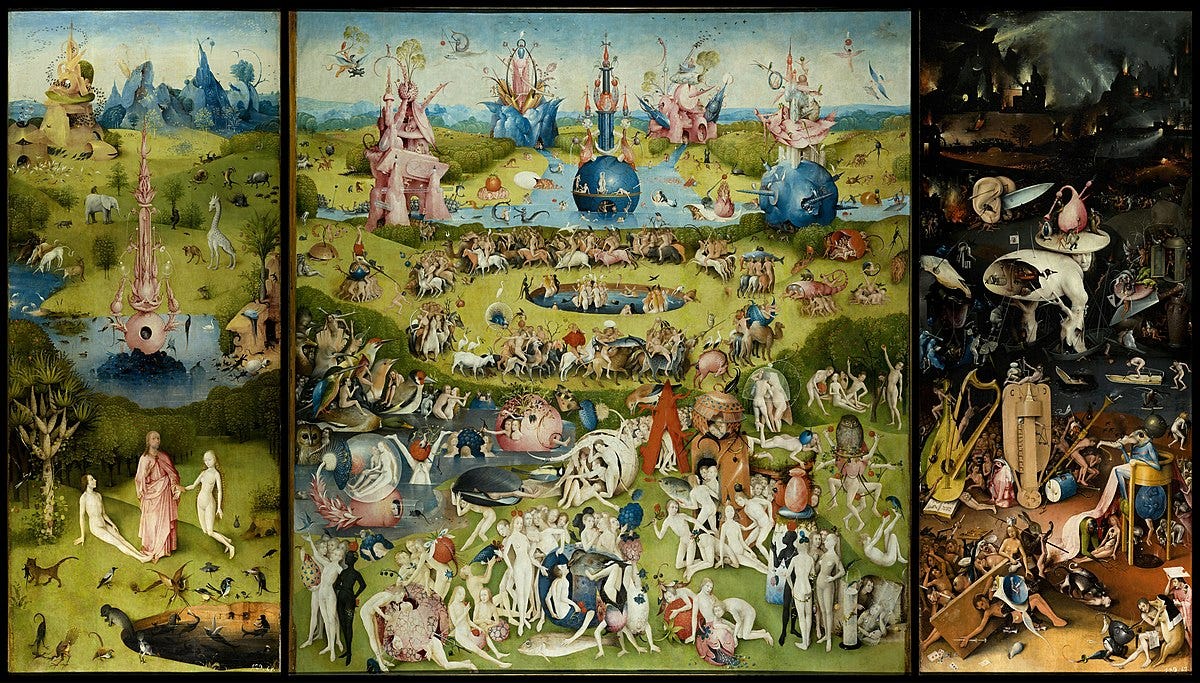
The antidote, according to author Matt Haig, is to be happy with the current version of oneself—the equivalent of tending to one’s garden, no matter how messy it may be:
“The world is increasingly designed to depress us. Happiness isn’t very good for the economy. If we were happy with what we had, why would we need more? How do you sell an anti-ageing moisturiser? You make someone worry about ageing. How do you get people to vote for a political party? You make them worry about immigration. How do you get them to buy insurance? By making them worry about everything. How do you get them to have plastic surgery? By highlighting their physical flaws. How do you get them to watch a TV show? By making them worry about missing out. How do you get them to buy a new smartphone? By making them feel like they are being left behind.
To be calm becomes a kind of revolutionary act. To be happy with your own non-upgraded existence. To be comfortable with our messy, human selves, would not be good for business.”
And when the end does come—perhaps the one scenario that we all worry about and that is 100% certain—we can be more like Michel de Montaigne, who said, “I want death to find me planting my cabbages, worrying about neither it nor my imperfect garden.”
South Korean poet Lee Seong-Bok wrote:
...“The poetic comes from deviating. Neurosis isn’t automatically poetry, but poems are neurotic. A
This excerpt is provided for preview purposes. Full article content is available on the original publication.