How Did Israel's Missile Defense Perform in the “12-Day War”?
Deep Dives
Explore related topics with these Wikipedia articles, rewritten for enjoyable reading:
-
Arrow (missile family)
17 min read
The Arrow system is central to this article's analysis of Israeli missile defense performance. Understanding its technical specifications, development history with U.S. cooperation, and the differences between Arrow 2 and Arrow 3 variants would give readers essential context for evaluating the intercept rate analysis.
-
Terminal High Altitude Area Defense
1 min read
THAAD is mentioned as a critical U.S. contribution to Israeli defense during this conflict, with at least 36 interceptors launched. Understanding how THAAD works, its capabilities, and how it complements other missile defense layers would help readers appreciate the coalition defense architecture described.
-
Ballistic missile flight phases
9 min read
The article discusses exoatmospheric intercepts, layered defense, and 'shoot-look-shoot' approaches. Understanding the boost, midcourse, and terminal phases of ballistic missile flight is essential for comprehending why different defense systems engage threats at different altitudes and why this matters for intercept probability.
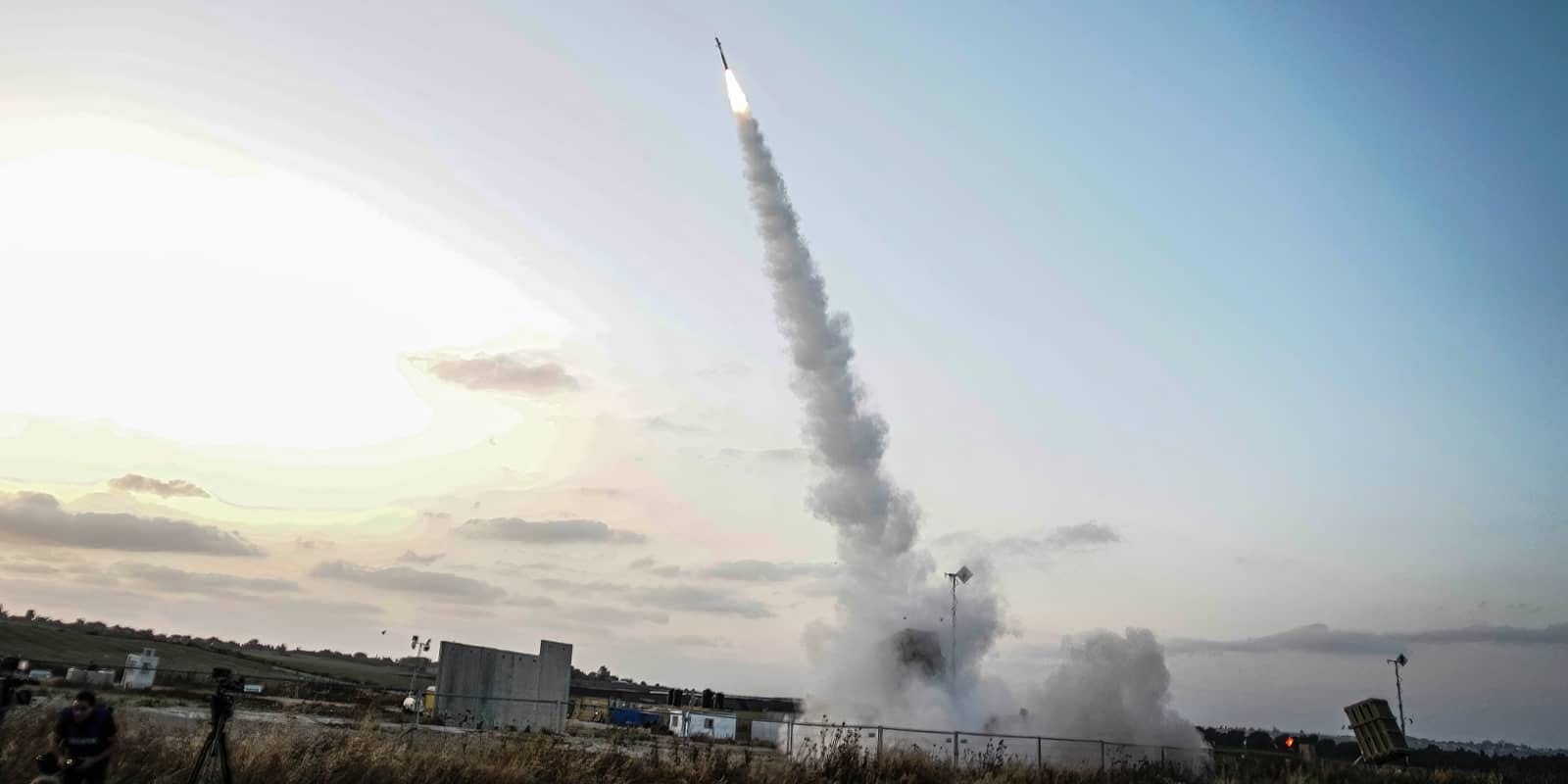
Picture: Israeli Ministry of Defense
On the night of June 12, Israel launched a major air campaign — Operation Rising Lion — targeting Iranian nuclear facilities, ballistic missile sites, IRGC command centers, and assassinating high-ranking military and nuclear science personnel.
Iran responded with large-scale ballistic missile and drone strikes against Israeli military and countervalue targets, killing 28 Israelis and injuring around 1,400. On June 22, the United States joined with strikes on Iranian nuclear sites. A fragile U.S.-brokered ceasefire took effect on June 24, effectively ending what is now referred to as the “12-Day War”.
This post offers an initial assessment of the performance of Israeli missile defenses against the medium-range ballistic missile threat Iran mounted during the war and outlines some implications for NATO.
Expected intercept rates
Israel relies on a layered air and missile defence system to protect its territory.
The lowest tier is the well-known Iron Dome system, designed to intercept short-range threats such as mortar rounds and rocket artillery. At the middle tier, Israel employs the David’s Sling system, optimized for intercepting low-flying long-range drones, cruise missiles, and ballistic missiles with ranges up to 300 kilometres. The top layer consists of the Arrow missile defence system, which engages incoming ballistic missiles — including those launched from Iran with ranges exceeding 1,000 kilometres — outside the atmosphere.
From previous missile defence engagements in 2024, we know that the intercept probability of individual upper tier (i.e., Arrow 2 and Arrow 3) Israeli ballistic missile interceptors is likely around 80 to 90 percent. In other words, if ten interceptors are launched against ten incoming ballistic missiles, roughly eight to nine are expected to be intercepted, while one to two are likely to get through.
Of course, the intercept probability can be dramatically increased by launching multiple interceptors per target. With two interceptors, the success rate exceeds 96 percent. With three, interception is virtually guaranteed.
However, missile defense interceptors are costly and difficult to produce, with long lead times between order and delivery. Given that Israel’s stockpile had already been depleted by the Iranian missile salvos in 2024, it was expected that Israel would no longer have the arsenal depth to launch multiple interceptors at incoming targets.
Actual intercept rate
Following the conclusion of the ceasefire and initial reports, the actual intercept rate appears to have been higher.
Initial battle damage assassments suggest that Iran launched around 550 medium-range ballistic
...This excerpt is provided for preview purposes. Full article content is available on the original publication.