Eid Mubarak!
In honor of Eid al-Adha, which begins tonight, I'm excited to share another wonderful guest newsletter, this time by Nadjah O! Nadjah is an art historian, archivist and host of the podcast Imaginarium: An Alternate History of Art, where she investigates lesser known subjects of art history through the lens of anti-imperialism and empathy. I've been following Nadjah for a few years on twitter and deeply admire the depth and care with which she examines, interrogates, and celebrates visual culture.
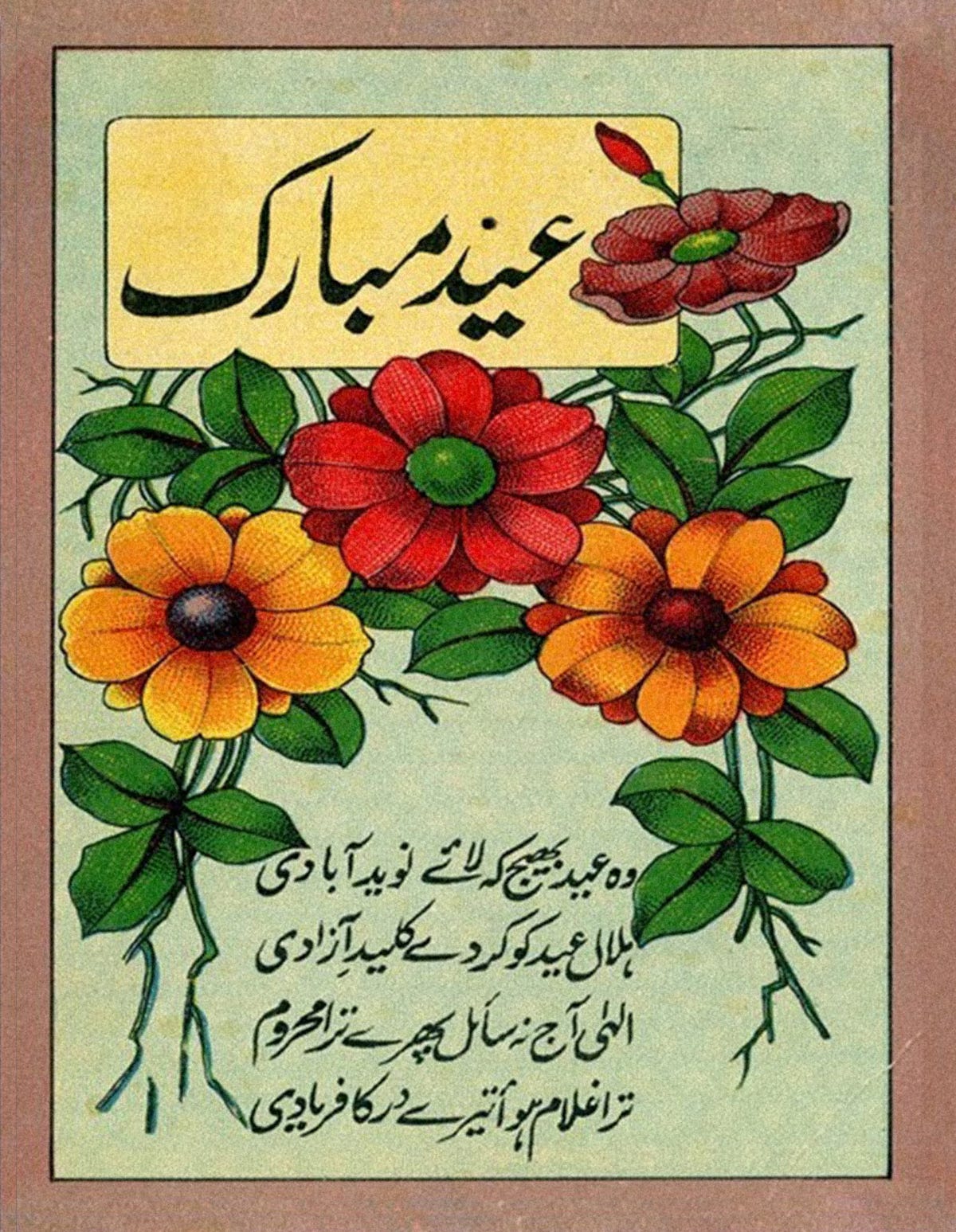
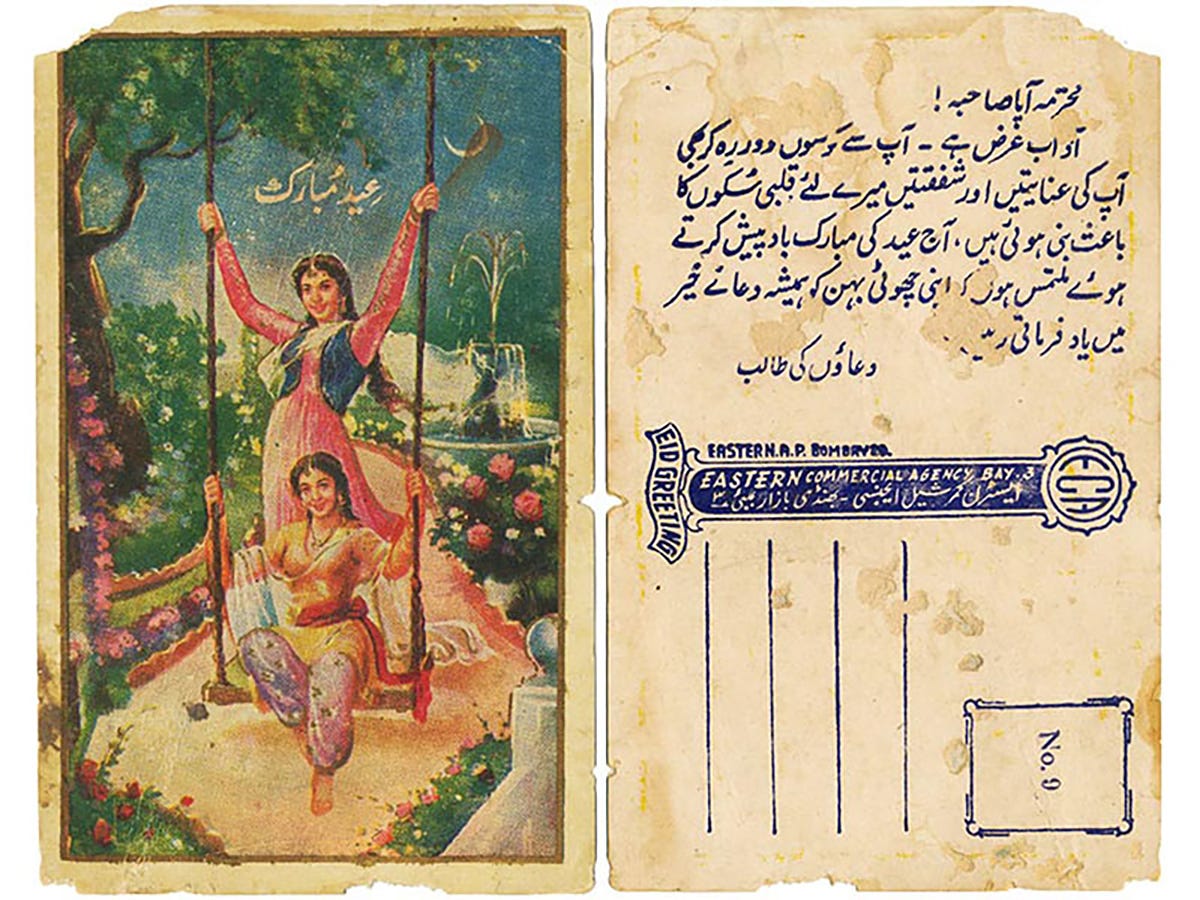
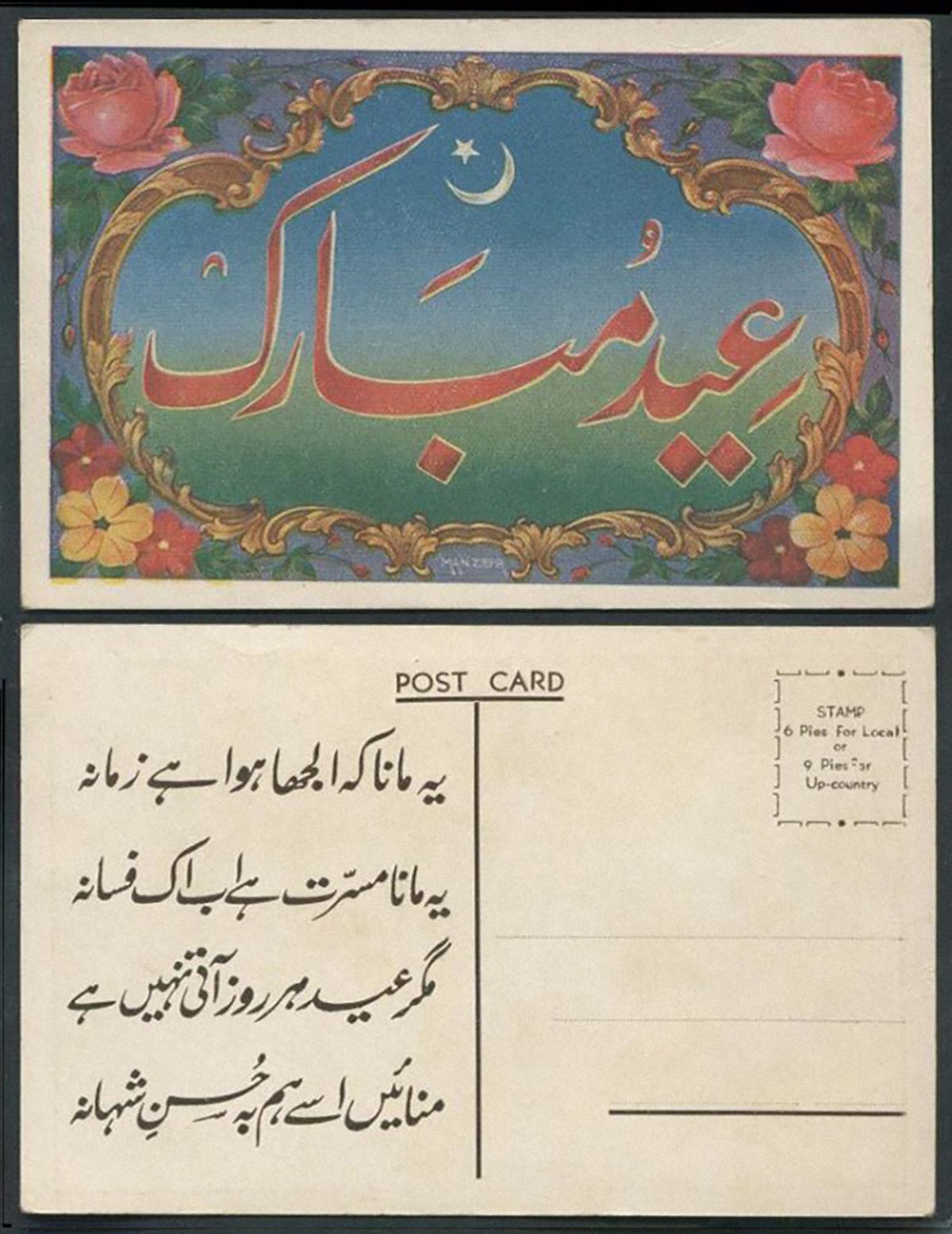
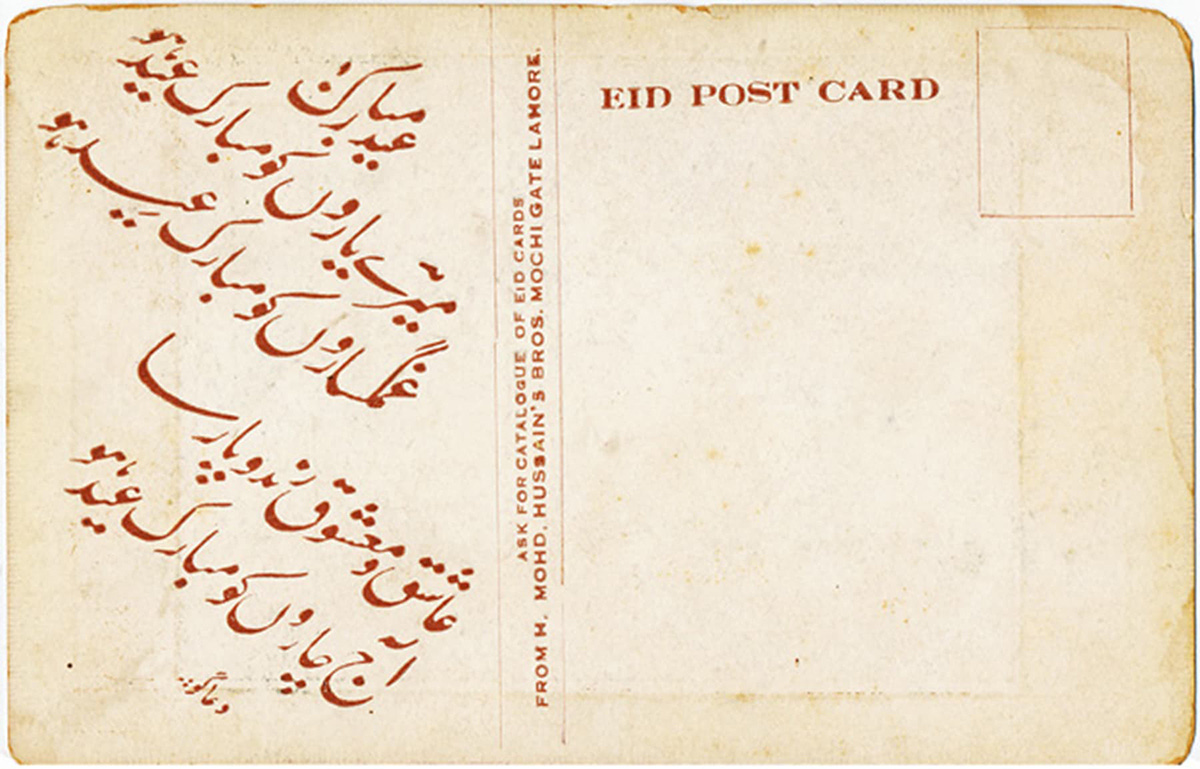
In the early decades of the 1900s, the celebration of Eid al-Fitr and Eid al-Adha (two major Muslim religious festivities, one immediately at the end of Ramadan, and the other following a scant two months later) were both opportunities for individuals to send their loved ones Eid greeting cards to celebrate and mark the day. A tradition now mostly lost, they are a testament to the rich printing culture in South Asia during the first half of the 20th Century.
There is a definite influence from South-Asian and Islamic art in the layout of these cards, with the motif of the Islamic crescent often appearing on postcards as a symbol of the religious importance of Eid. Although those cards cover a wide visual range, there's a common thread in the way they project themselves into modernity while preserving the richness of their cultural traditions.
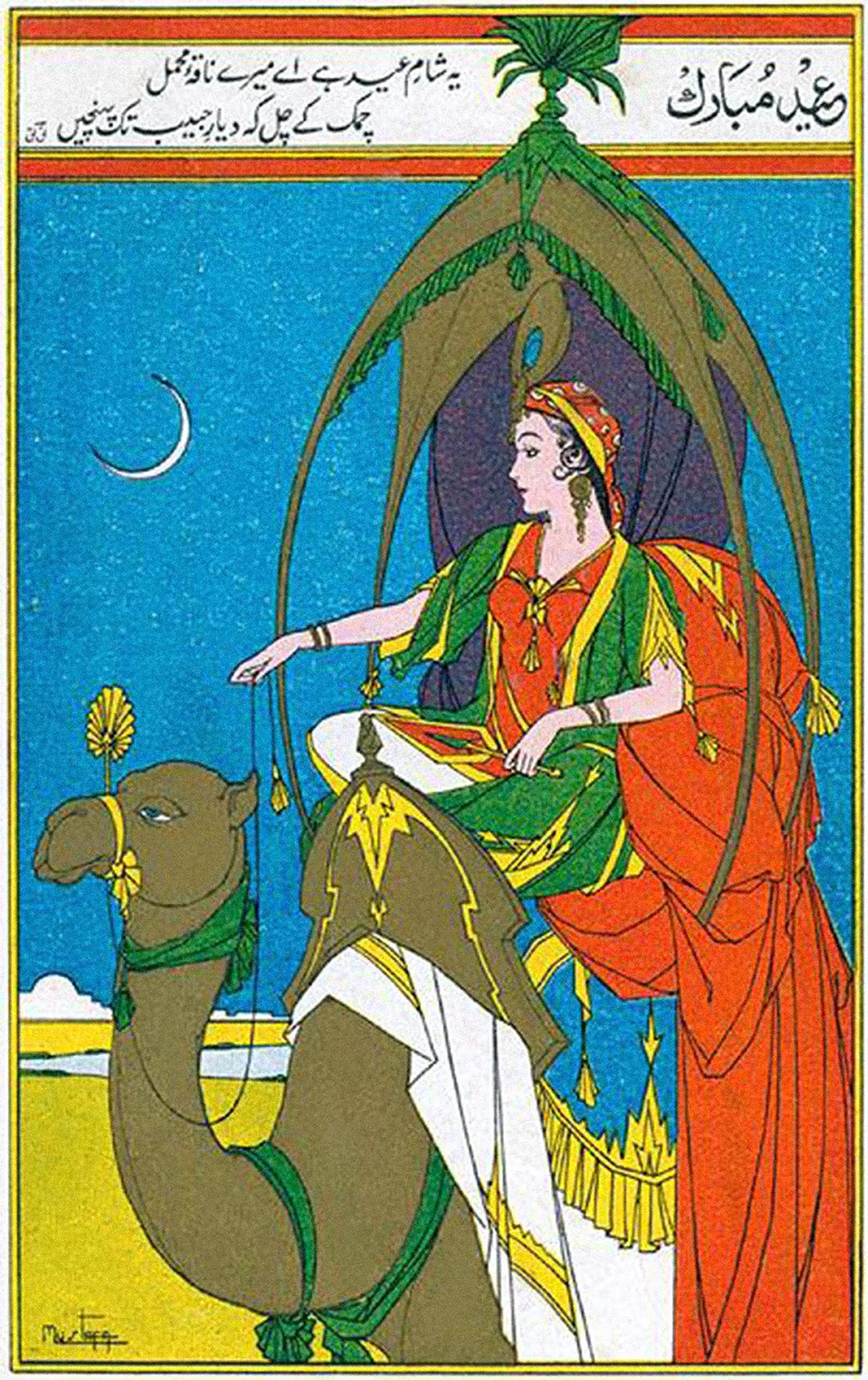
One card showcases a beautiful illustration of a young woman on a camel, drawn with flat colors and a streamlined style reminiscent of Art Deco—the fashionable movement of the era. Meanwhile, the crescent in the corner reminds the viewer of the joyful occasion of Eid. Another card, an early example of the genre, actually originated as a European-made Christmas card, now stamped with appropriate text to update it to an Eid card instead.
The beautiful colors and intricate calligraphy that make up these greeting cards are a balm to the eyes and to the heart. Islamophobia might be rampant nowadays, but these charming greeting cards from the past remind us of the joy that can still be found in handwriting a card to your friends and family.
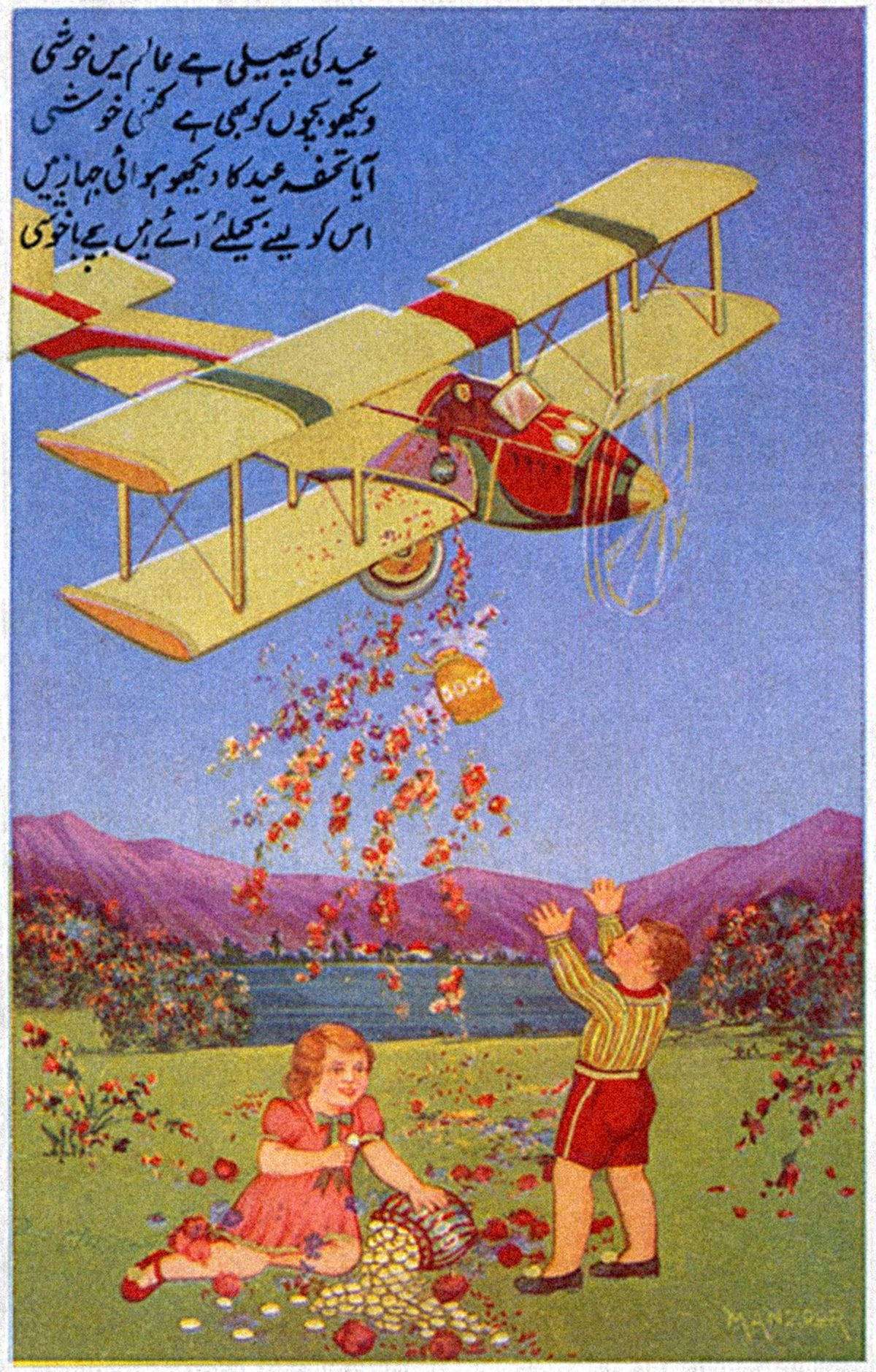
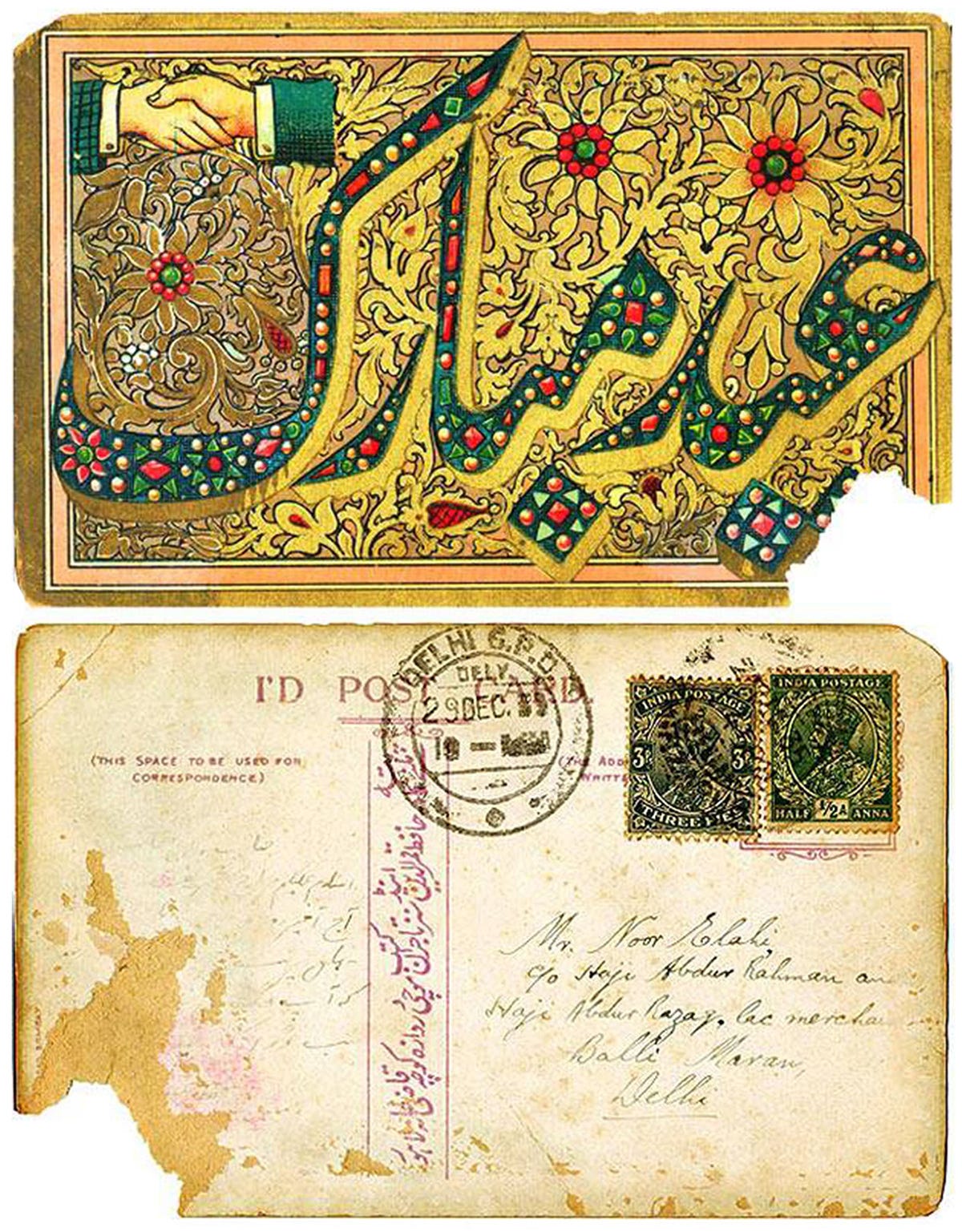

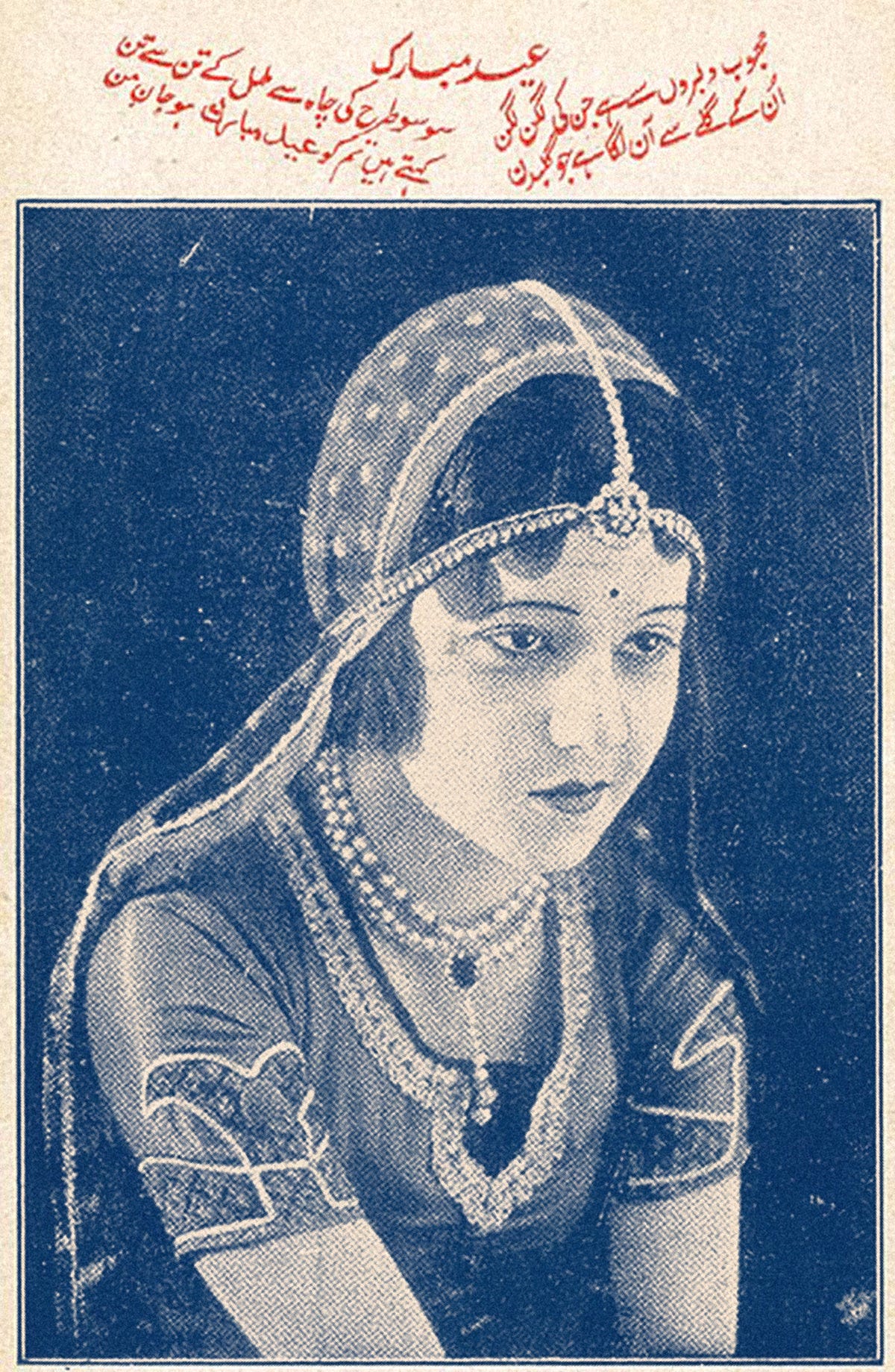

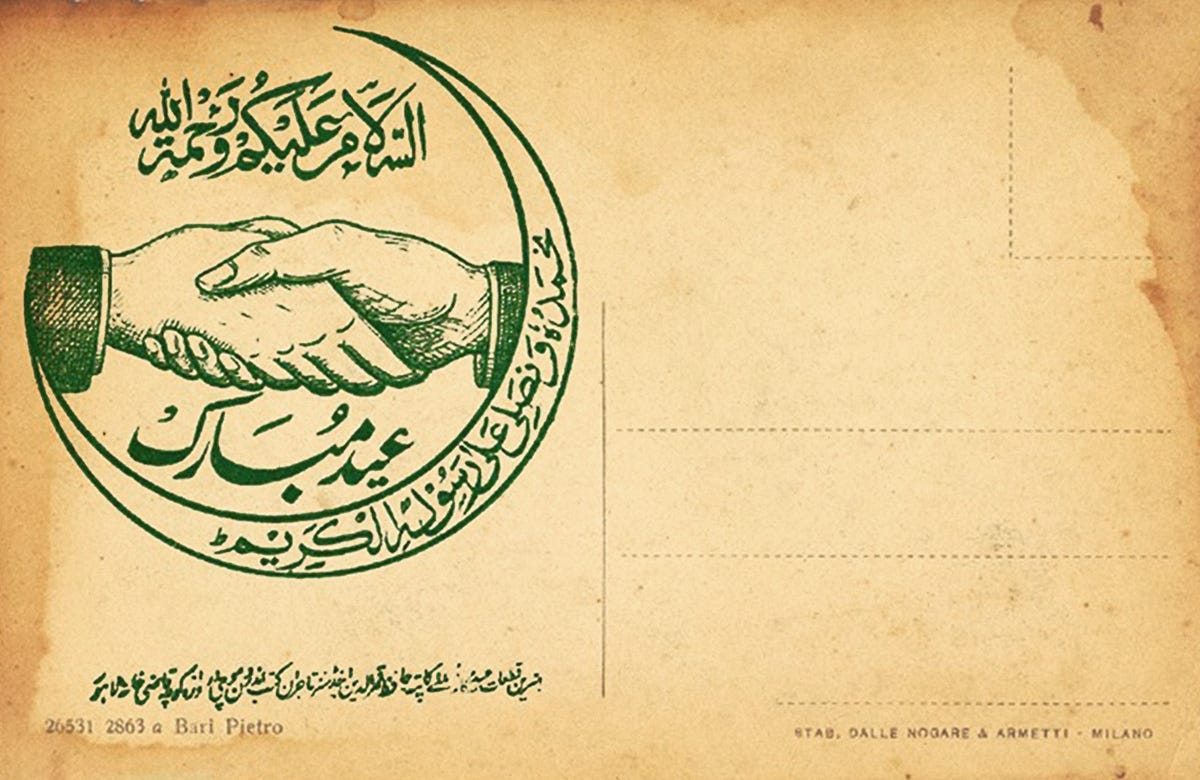


This issue's featured archive is the Arabic Design Archive, created by Design Repository, an organization dedicated to supporting the development of contextual Arabic design research initiatives that can push the field of design. The expanse of their collection is astoundingly vast, ranging from 1990s book covers to 1970s tape cassettes to 1940s stamps—all packed with exceptional typography and illustration.

Earlier
...This excerpt is provided for preview purposes. Full article content is available on the original publication.