Weekly Dose of Optimism #182
Hi friends 👋,
Happy Friday! It’s quasi-warm in New York City, America won two golds in ice hockey (sorry, Sean, Dan didn’t have anything funny to say but we’re pumped), and the good guys just keep on doing things that make us optimistic.
Let’s get to it.
(1) Form Gets $1 Billion Google Order for 30 Gigawatt-Hour Battery System
Steve Levine for The Information
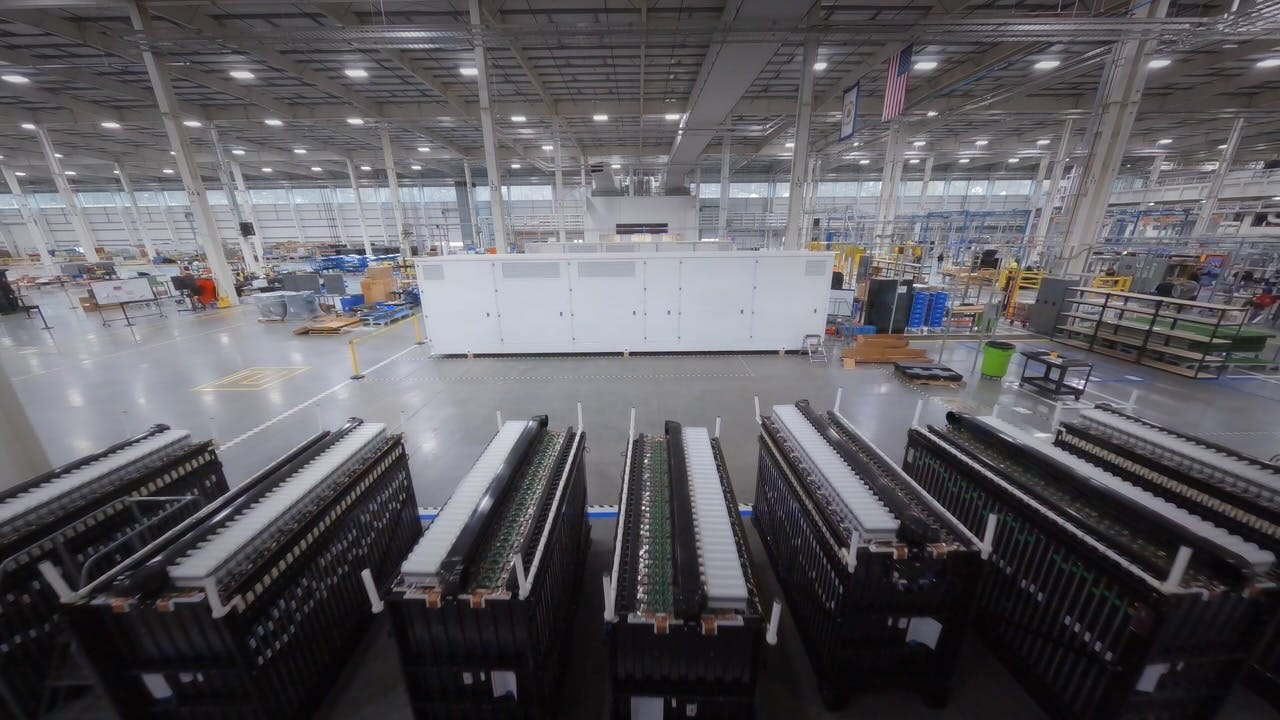
The Decade of the Battery is charging ahead, now with American batteries.
Earlier this week, Google announced a deal with Xcel Energy to provide 1.9 GW of wind, solar, and battery power for a planned data center in Pine Island, Minnesota, part of a push for hyperscalers to Bring Your Own Electricity (BYOE). Wind and solar are clean, and cheap when the sun shines and the wind blows, but the sun doesn’t always shine, and the wind doesn’t always blow, so the deal includes $1 billion for a nine-year-old startup Form Energy to provide backup.
Form will be providing two kinds of batteries: standard lithium-ion batteries for instant surges of power, and iron-air batteries for longer-term backup.
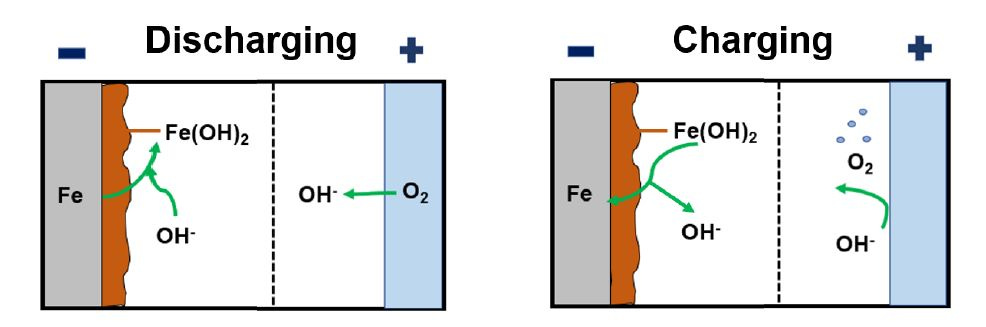
Iron-air batteries work through a process that’s like reverse rusting. To discharge, the battery breathes in oxygen from the air. Iron metal at the anode reacts with that oxygen and water-based electrolyte to form iron rust (iron hydroxide/iron oxide). This oxidation reaction releases electrons, which flow through an external circuit as electricity. To charge and store electricity, you apply electricity (say, from solar or wind), and the process reverses. The rust is electrochemically reduced back into metallic iron, and oxygen is released back into the air. The iron is “de-rusted” and ready to discharge again.
Iron-air batteries are low power density and slow response, but extraordinarily cheap on a per-kWh basis, roughly 10% of the cost of lithium-ion. They’re perfect for longer-term storage, up to 100 hours, for multi-day lulls in sun and wind. These lulls are whimsically named “Dunkelflaute” events.
Form will provide a 300 MW iron-air battery system for the project, and the batteries can store 100 hours of power, making it a 30 GW-hr system. It will be the biggest battery system by energy capacity in the world when delivered.
This is good news because we love batteries here at Not Boring, and because it’s a rare win for a western battery company in a category that’s been
...This excerpt is provided for preview purposes. Full article content is available on the original publication.