Why All Mammograms Should Incorporate A.I.
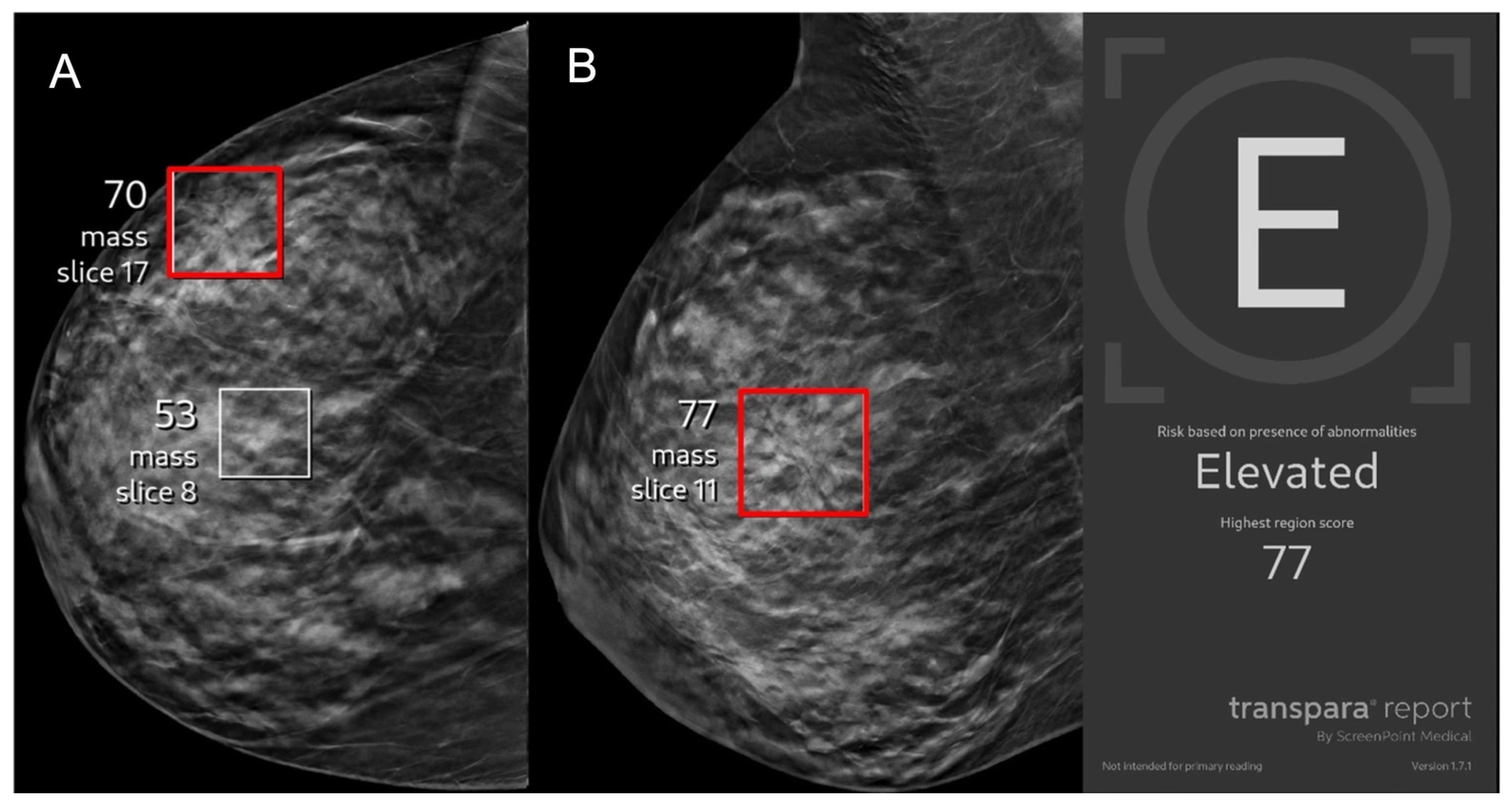
Follow-up of the largest randomized trial of AI in medicine was reported a week ago. The Mammography Screening with Artificial Intelligence trial (MASAI) randomized trial in Sweden of more than 105,000 women compared the interpretation by two radiologists with one radiologist with AI support. This represents the culmination of several years of intensive research exploring the potential role of deep learning AI to improve the accuracy of interpreting mammograms beyond that of radiologists. In this edition of Ground Truths I will explain why it is time to adopt AI as an adjunct for all mammograms, with attention to (1) improved accuracy for detection with reduced workload; (2) prevention of breast cancer; and (3) risk of heart disease (yes, you read that right). But, of course, there are obstacles for implementation which I’ll also review.
1, Improved Accuracy of Detection with Reduced Workload
The National Cancer Institute estimates that 20% of breast cancers are missed by mammograms, leaving plenty of room for the potential of AI to help.
The first study that caught my eye about the promise of AI for mammography interpretation dates back to 2019 from NYU with supervised learning of more than 1 million mammogram images and 14 radiologists. The area under the curve with AI, a performance metric, was 0.895 (1.0 is perfect) and the conclusion was: “We also show that a hybrid model, averaging the probability of malignancy predicted by a radiologist with a prediction of our neural network, is more accurate than either of the two separately.”
Since that time, retrospective studies of various AI algorithms were reported on a frequent basis. Then, in 2023, a real world of medicine study in Hungary with the Kheiron algorithm was published in Nature Medicine. Like MASAI’s design, comparing 2 radiologists vs 1 (or 2) plus AI, it found enhanced detection of cancer, 83% of which are invasive.
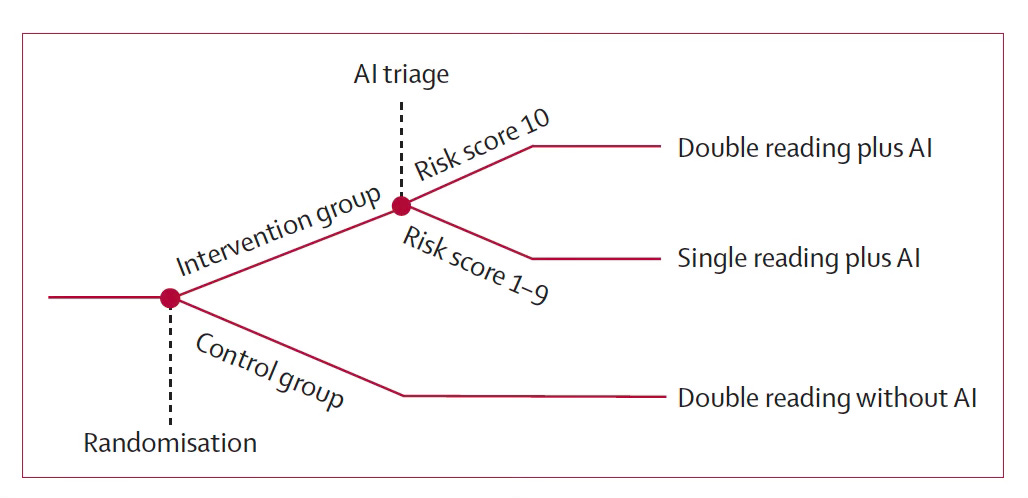
Notably, there was a >30% reduction of radiologist’s workload. This report from Hungary led journalists to travel there and study their cancer screening clinics, where 5 were performing 35,000 screenings a year with AI since 2021. This article appeared on the front page of the NY Times
...This excerpt is provided for preview purposes. Full article content is available on the original publication.