Middlebrow Madness
Deep Dives
Explore related topics with these Wikipedia articles, rewritten for enjoyable reading:
-
Terrence Malick
19 min read
The article identifies Malick as 'the single most influential American filmmaker of the century so far' and uses his work as the standard against which Train Dreams falls short. Understanding Malick's distinctive visual and narrative style illuminates the critique.
-
Denis Johnson
13 min read
Train Dreams is adapted from Johnson's novella, which the author notes 'some people I know have called a great one.' Johnson's literary style and the source material provide essential context for evaluating the adaptation.
-
Middlebrow
13 min read
The article's central thesis revolves around the concept of 'middlebrow cinema' and its proliferation in contemporary arthouse film. Understanding the cultural history and criticism of middlebrow art illuminates the author's aesthetic argument.
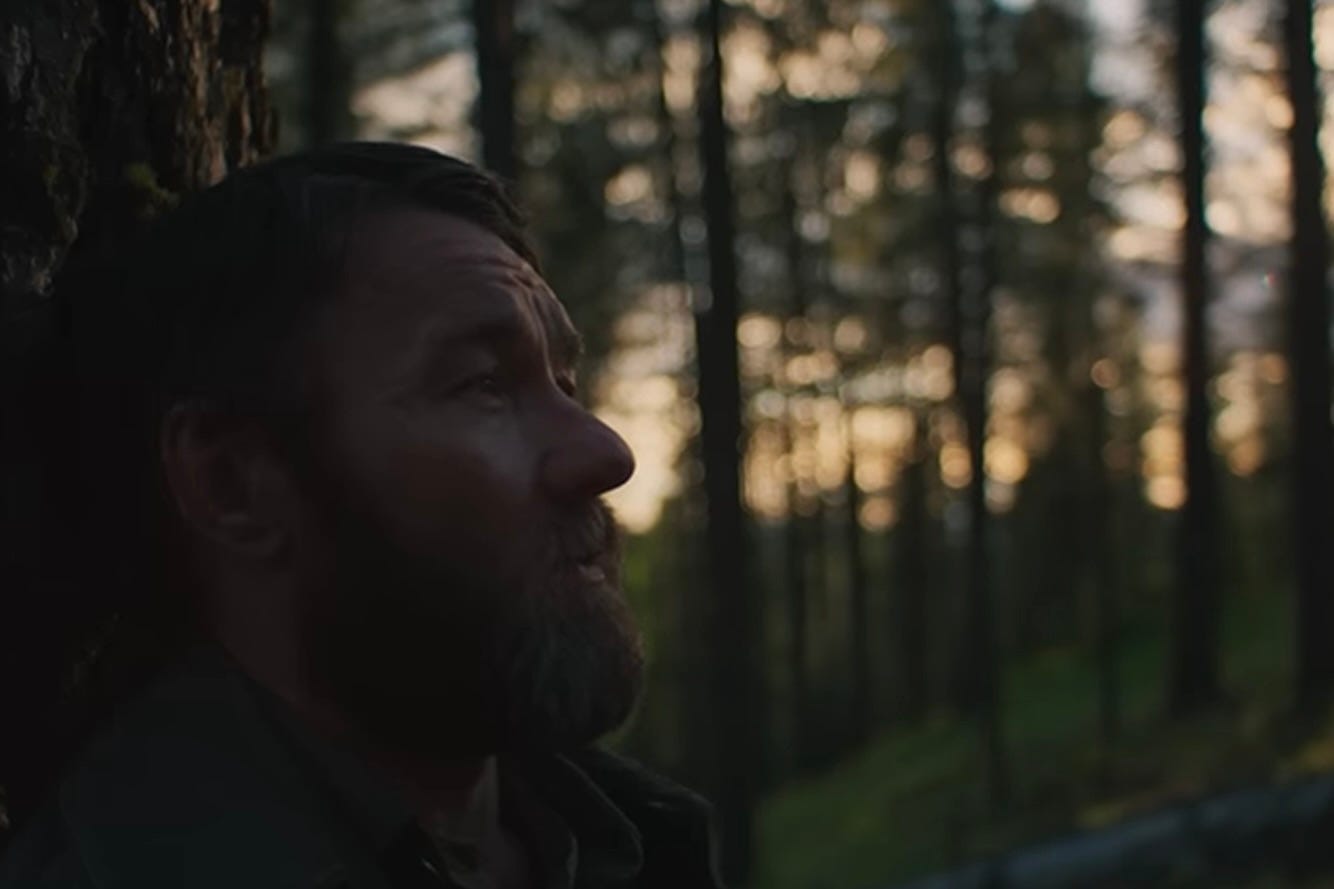
It gives me little pleasure to report that Train Dreams is an unfortunately empty film. A pretty film, in some ways. But an empty one. And as a moviegoer who believes that today’s critics are, on the whole, far too easy on this contemporary strain of middlebrow cinema, I must confess: I’m tired of films that look and feel like Train Dreams. I know nothing about the original Denis Johnson novel, which some people I know have called a great one — I only have the film. And in the film of Train Dreams, everything which could possibly be said about it is already so present at the surface, already so obvious and literal and exhaustively clear, it’s transparent. The movie is a long, muted, gentle lament on the old themes of American industrialism and on the fading of nature at the hands of those American industries. It’s about the loss and the hard work and the loneliness of a single stoic man, quietly watching history pass him by.
But even more than any of these, what Train Dreams is really “about” is its constant telegraphing to the audience that these are the themes which make up the movie Train Dreams. It is understood that the audience will be dutifully contemplating these themes, as the Max Richter-y strings of Bryce Dessner’s score thrum ponderously beneath big American images of trees and train tracks and the furrowed brows of the sawyers and Arcadian cabins by lovely low marsh ponds. They’re the great, meaty, existential American themes, after all — here rendered competently in a familiar digital over-crispness, better-looking than your average Netflix Original but still perched somewhere between a more artful episode of Planet Earth and Iñárritu’s The Revenant. Throughout my viewing of the film, I felt more and more that I would very much like to escape its overtight, picturesque vision (literally: the film is set at a 3:2 ratio, standard for 35mm still photography) into the far freer, far deeper worlds of its most obvious mediating influence: Terrence Malick.
What is left to positively report? Not much. The story centers around a logger named Robert Grainier (Joel Edgerton), working in Idaho and Washington in the early years of the 20th century. He goes off on long expeditions before coming home to his wife (Felicity Jones) and infant daughter, until one
...This excerpt is provided for preview purposes. Full article content is available on the original publication.