Sunday Scaries
Deep Dives
Explore related topics with these Wikipedia articles, rewritten for enjoyable reading:
-
Occupational burnout
14 min read
The article extensively discusses teacher burnout, demoralization, and chronic stress. Wikipedia's article on occupational burnout covers the psychological syndrome, its causes, symptoms, and the WHO's official recognition of it as an occupational phenomenon - providing scientific context for what the author experiences.
-
Anticipatory anxiety
12 min read
The 'Sunday Scaries' phenomenon described throughout the article is a form of anticipatory anxiety - the fear or worry about future events. This Wikipedia article would give readers the clinical framework for understanding why this weekly dread occurs and its neurological basis.
-
Moral injury
16 min read
The article discusses Doris Santoro's concept of 'demoralization' where teachers are forced to act against their values. Moral injury - originally studied in military contexts - describes the psychological damage from being forced to violate one's moral code, directly paralleling the author's discussion of teachers' eroded 'moral centers'.

I know of no other profession where there is such persistent and consistent dread for the start of each week. No matter how well students behave, or lessons go, come Sunday, there is a rising anxiety about school on Monday. Sometimes referred to as the Sunday Blues or Sunday Anxiety, this anticipatory stress of returning to the workweek grind is a normal hormonal response a nervous anticipation of stress.
My weekends are usually filled with all of the errands and chores I couldn’t do during the week: grocery shopping, mowing the lawn, cleaning the house, fixing the leaky faucet in the front bathroom. And as much as I try to avoid bringing work home with me, inevitably, I must grade and plan so that I’m ready for another week of school.
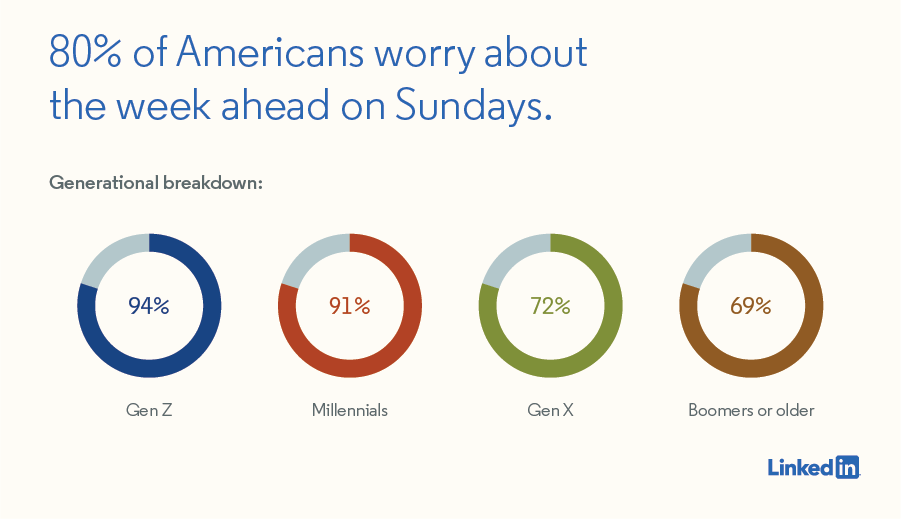
I realize that teachers are not the only ones with stressful jobs. Depending on which online survey you read, anywhere from 75% — 85% of Americans report having “really bad” Sunday night anxiety or dread over what to expect in the upcoming week. Many office workers know they eventually have to return to their cubicle and respond to the hundreds or thousands of unread email messages. Some worry about an upcoming or difficult meeting or a tyrannical boss. Still, others just hate their menial jobs.
The vast majority of teachers, however, love being a teacher. They love working with students and being a part of their lives. They became teachers because they have a deep desire to connect with students and help them learn. This is what matters most. And so teachers endure the mandated curricula, huge class sizes, lack of financial resources, loss of pedagogic agency, the occasional angry emails from parents, late nights spent grading or holding parent-teacher conferences, lack of adequate support staff, and challenging students. Teachers endure the overwhelming pressure to help students make multiple years of growth, raise test scores, and fix all of society’s ills. Teachers are exhausted and the weekends don’t allow for much rest and recovery.
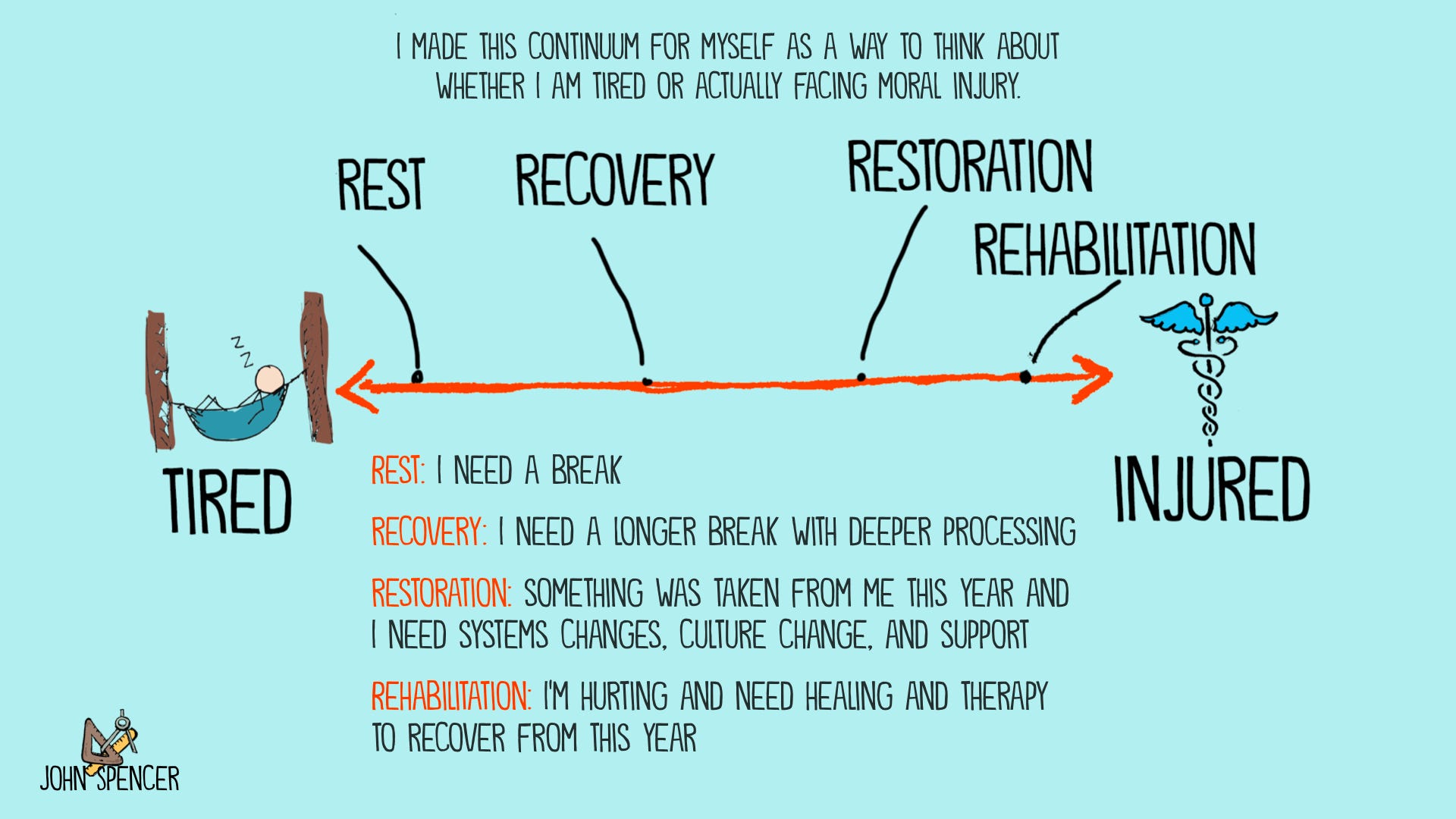
The longer I teach, the more eroded I feel year after year. In Demoralized: Why Teachers Leave the Profession They Love and How They Can Stay, Doris Santoro analyzes the pervasive professional dissatisfaction that challenges common explanations of teacher burnout. She interviews hundreds of educators and believes that
...This excerpt is provided for preview purposes. Full article content is available on the original publication.