The Many Crypto Schemes of Khabib Nurmagomedov
Deep Dives
Explore related topics with these Wikipedia articles, rewritten for enjoyable reading:
-
Islamic banking and finance
12 min read
A significant portion of the article discusses Wahed Invest and 'halal investing' concepts like Sharia-compliance, sukuk, and riba-free banking. This Wikipedia article explains the principles and mechanisms behind Islamic finance, helping readers understand what these products claim to offer and how they differ from conventional banking.
-
Non-fungible token
14 min read
The article discusses multiple NFT schemes including 'Legacy Cards' and their mechanics (minting, burning, secondary markets). While readers may have heard of NFTs, a deeper understanding of the technology, market dynamics, and common patterns of speculation would illuminate why these ventures are described as 'wealth transfers from believer to icon.'
Welcome to Sports Politika, a media venture founded by investigative journalist and researcher Karim Zidan that strives to help you understand how sports and politics shape the world around us. Our mission is to offer an independent platform for accessible journalism that raises awareness and empowers understanding.
This latest post is written by Chris Dalby, the publisher of the Sport & Crime Briefing and World of Crime newsletters. If you enjoyed this in-depth investigation, please consider subscribing to read more of his work.
It took barely a day for an NFT drop, using the image of UFC legend Khabib Nurmagomedov, to make roughly $4.35 million in revenue.
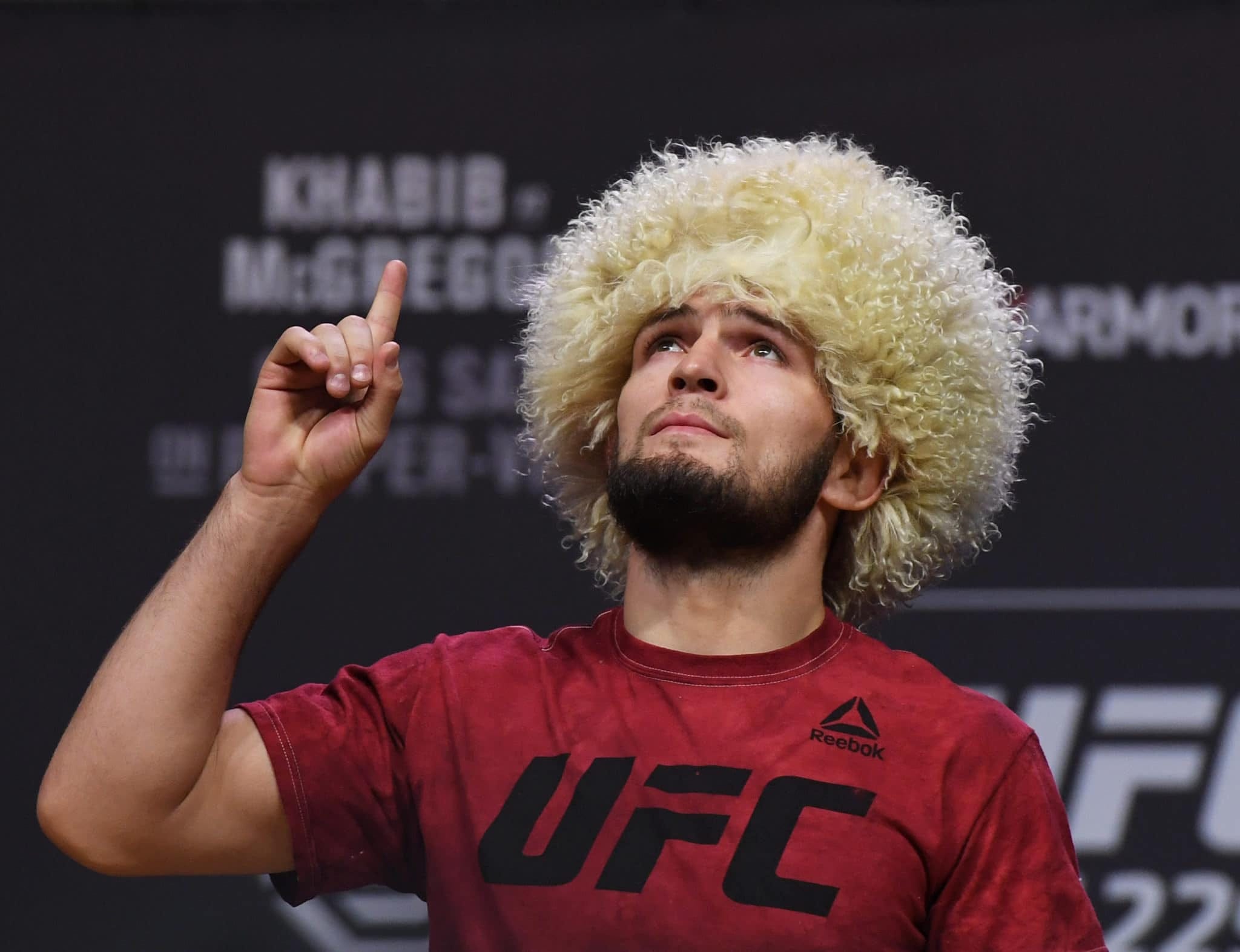
Over about 24 hours, messaging platform Telegram auctioned off 29,000 digital papakhas, the distinctive sheepskin hat that Khabib wore throughout his career. Controversy grew as the sale also involved Khabib saying it was in honour of his deceased father and coach, Abdulmanap, a devout Muslim who taught his son discipline and principles alongside martial arts.
Now, Abdulmanap’s legacy was being repackaged as a “digital gift” on Telegram, purchasable with Stars, a gamified in‑app currency.
Once the 29,000 hats were gone and the funds secured, Khabib’s announcement posts and promotional videos quietly vanished from Instagram and X, triggering accusations of a “sell‑and‑scrub” maneuver. Conor McGregor, the Irish fighter who is no stranger to crypto-controversies, lambasted Khabib for “robbing fans,” while Khabib defended the papakhas as “exclusive digital gifts with real‑time value” that honored Dagestani tradition.
The papakha drop was not a one‑off misjudgment. It was the latest example of a pattern that has been building since 2021. In the four years leading up to this sale, Khabib has repeatedly put his name behind a string of speculative crypto, NFT, and “halal” investment ventures that fall short of criminal fraud but seem suspiciously like calculated grifts.
Scheme 1: April 2021 - The Legacy Cards
1. How It Worked
Six months after retiring undefeated, Khabib launched his debut into the crypto-sphere. The pitch was elementary: artificially scarce goods based on his 29-0 fighting record. He released a tiered set of digital trading cards (NFTs) featuring 3D renderings of himself.
The structure was a pyramid of exclusivity:
Gold Cards: 290 units available.
Platinum Cards: 29 units available.
Diamond Card: Only 1 unit minted. Holders were promised vague “unlockable content” and the chance to win physical memorabilia, but the primary selling point was simply owning a piece of
This excerpt is provided for preview purposes. Full article content is available on the original publication.