Making America Healthy or Paranoid?
The Make America Healthy Again Movement (MAHA) is making waves in the food industry, but is it surface-level marketing or real change?
The food industry often responds to cultural changes by tweaking its products to match current trends. Remember the low-fat and sugar-free obsessions from the 1980s and 1990s? Or who could forget the Atkins diet-led low-carb boom of the 2000s? Now, added protein is everywhere, and seed-oil-free is on the rise.
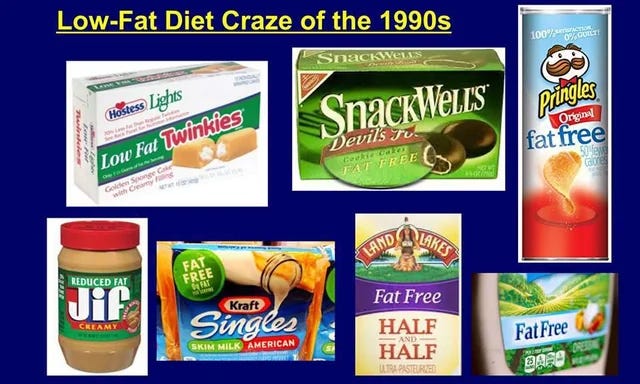
These zig-zagging trends are largely driven by the desire to lose weight and by America’s ongoing identity crisis around food and health. Unlike countries with thousands of years of culinary tradition to draw on, we don’t have a deeply rooted food culture to guide us. That absence makes us especially vulnerable to fads, as people chase the next promise of “eating healthier,” all while it’s really the heavily marketed, ultra-processed foods that are undermining our health in the first place.
The MAHA movement is an odd combination of RFK and his skeptical eye of Big Pharma and Big Food, and MAHA moms, led by a woman named Vani Hari, aka the FoodBabe, who are exposing the dangers of the food industry to “protect” their children.
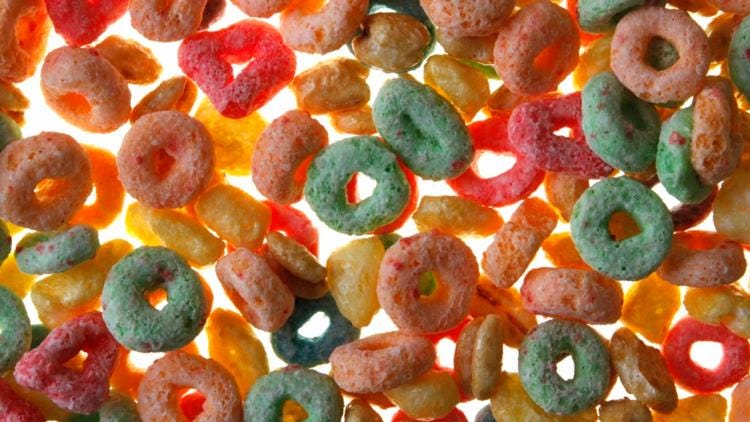
So far, their number-one target has been artificial food dyes, something many companies have already pledged to phase out. In reality, this is more of a marketing play than a sweeping health shift, since most processed foods don’t rely on neon colors. Still, cereals like Trix and Lucky Charms have become the poster children of the campaign, and perhaps we’d all be better off without them, as cute as they may be.
From a recent article, There’s Money to Be Made From ‘MAHA.’ Food Companies Want In.
And by year’s end, Pepsico plans to rebrand Lay’s and Tostitos chips as free of artificial dyes and flavors. (Those versions already exist in a line of snacks labeled Simply.)
During a recent call with investors, the company’s chief executive, Ramon Laguarta, said the goal was elevating “the real-food perception” of the brand. “If you think about the simplest and most natural snack,” he said, “it is a potato chip. It’s a potato, it’s oil and it’s a little bit of salt.
What remains interesting to me is when the demands of the MAHA movement come up against the foundation of how our food system operates.
In addition to artificial dyes, the
...This excerpt is provided for preview purposes. Full article content is available on the original publication.