Al Gore's case for optimism
Deep Dives
Explore related topics with these Wikipedia articles, rewritten for enjoyable reading:
-
OPEC
14 min read
Gore repeatedly identifies OPEC as the 'hidden hand' blocking climate progress at COP30. Understanding OPEC's history, member states, and influence over global energy policy provides essential context for why fossil fuel phase-out negotiations face such resistance.
-
United Nations Climate Change Conference
13 min read
The article centers on COP30 and Gore's decades of involvement in these summits. Understanding the COP process's history, structure, and past agreements (like Paris) helps readers grasp both what the negotiations can achieve and why reform is needed.
-
Fossil fuel subsidies
12 min read
Gore criticizes the failure to phase out 'ridiculous subsidies governments provide for fossil fuels' and notes Gates's positions on subsidies. This topic explains the scale, types, and rationale behind these subsidies—context most readers lack despite its policy centrality.
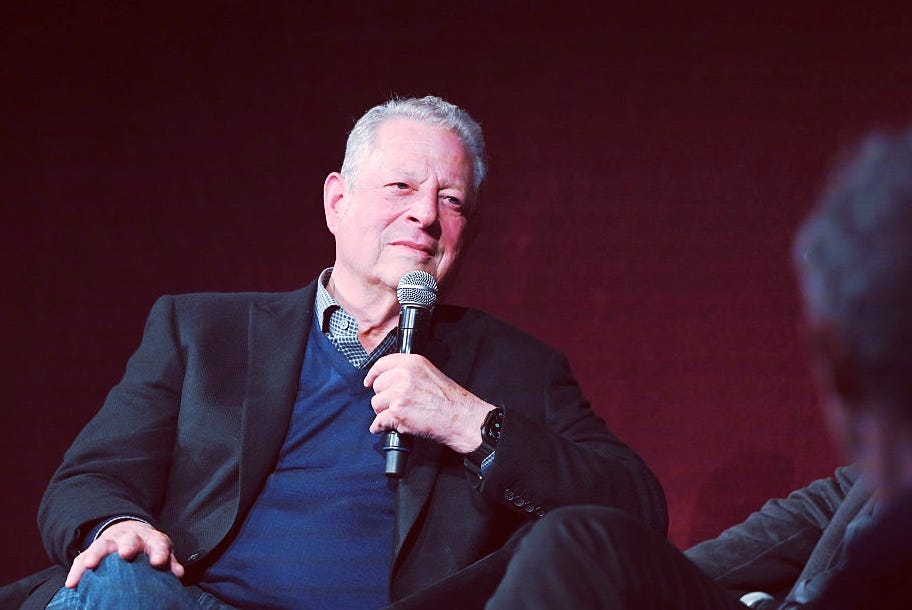
This year’s United Nations climate summit in Belém, Brazil had everything: A literal flood, a literal fire, a record-breaking 1,600+ fossil fuel lobbyists, and delegates from oil-producing nations working overtime to strip the final text of anything resembling a concrete commitment to stop lighting the planet on fire for profit.
So naturally, when I spoke to Al Gore on the final day of the summit, he was optimistic.
“[The fossil fuel industry] believes they are the global hegemon dictating policy for everyone else,” he said from his home office in Tennessee. “But I don’t think they are.”
Gore had returned from COP30 just a few days earlier, and insisted that what he’d seen on the ground was more encouraging than what doom-obsessed reporters like me were fixated on. “The majority of nations understand the crisis clearly, understand the cause clearly, and understand the solutions,” he said. “I wouldn’t bet against them.”
And yet, the final agreement that emerged seemed designed to test Gore’s faith. On the positive side, nearly every country on Earth—excluding the U.S., which did not send a delegation—agreed to new voluntary initiatives to accelerate national climate action. And more than 80 countries did back a roadmap away from fossil fuels, with South Korea pledging to stop building new coal plants and phase out existing ones.
But the final text didn’t even mention the words “fossil fuels,” much less include any timeline, mandate, or commitment to phase them out. Thanks to pushback from oil-producing nations, the final framework posed no real obstacle to continued fossil fuel expansion.
Gore acknowledged the deal’s shortfalls in a statement, calling it “the bare minimum of what the world must do.” But still, he argued that Big Oil’s victory at COP30 was largely symbolic. “Ultimately, petrostates, the fossil fuel industry, and their allies are losing power,” he said. “They may be able to veto diplomatic language, but they can’t veto real-world action.”
When we spoke, Gore walked me through the sources of his optimism. He also had a lot to say about Bill Gates’s controversial climate memo, and how it ties into a growing “global project to create a new autocratic world order“—one he believes is destined to fail.
Below is our full conversation, edited for length and clarity.
Emily Atkin: I am gonna be really honest with you. I have been struggling with how to write about COP30
...This excerpt is provided for preview purposes. Full article content is available on the original publication.