The Space Roundup - Feb 13th, 2022
Hello, hello, my dear space lover!
Are you ready for yet another week of space awesomeness? 3, 2, 1, zero! Lift-off!
Quick note: if you haven’t subscribed yet, don’t miss an issue by subscribing below to receive your weekly dose of space awesomeness:
Ah! And if you want to sponsor this newsletter, drop me an email.
SpaceX updates
What a week for SpaceX! They didn’t start the month of February with the best luck: dozens of Starlink satellites re-entered the atmosphere on fire after a geomagnetic storm.
But on Thursday they finished assembling Starship, the world’s largest rocket, with a pair of giant robot arms: how amazing is that?! During the long-awaited Musk’s presentation, he shared a lot of progress has been made on Raptor 2 engines (more power, fewer parts) which is the current bottleneck on the rocket production line.
Here you can see a time-lapse video of the rocket stacking: so impressive!
After all the problems they are currently experiencing to get the permission to launch the first Starship from Boca Chica, SpaceX is now considering shifting Starship testing to Florida although that might mean more delays for the first orbital launch that is supposed to happen this year. We’ll see. Go, SpaceX!
Sats everywhere
The loss of Starlinks wasn’t the only bad news last week for SpaceX. NASA outlined a series of concerns about Starlink's next-generation constellation in an FCC letter. They are very worried that the sats constellations might pose serious risks for space missions and might be a source of growing space debris.
Talking about space debris, the Space Force shared that it is eager to invest in debris removal projects. Nice! Point for the SF! :)
Another piece of bad news came from Astra. Astra launched a series CubeSats for NASA…but it failed three minutes after lift-off. Very sad. I hope they learn from the mistakes and keep improving for the next mission. Rocket science! This is hard! Go, Astra!
Martian updates
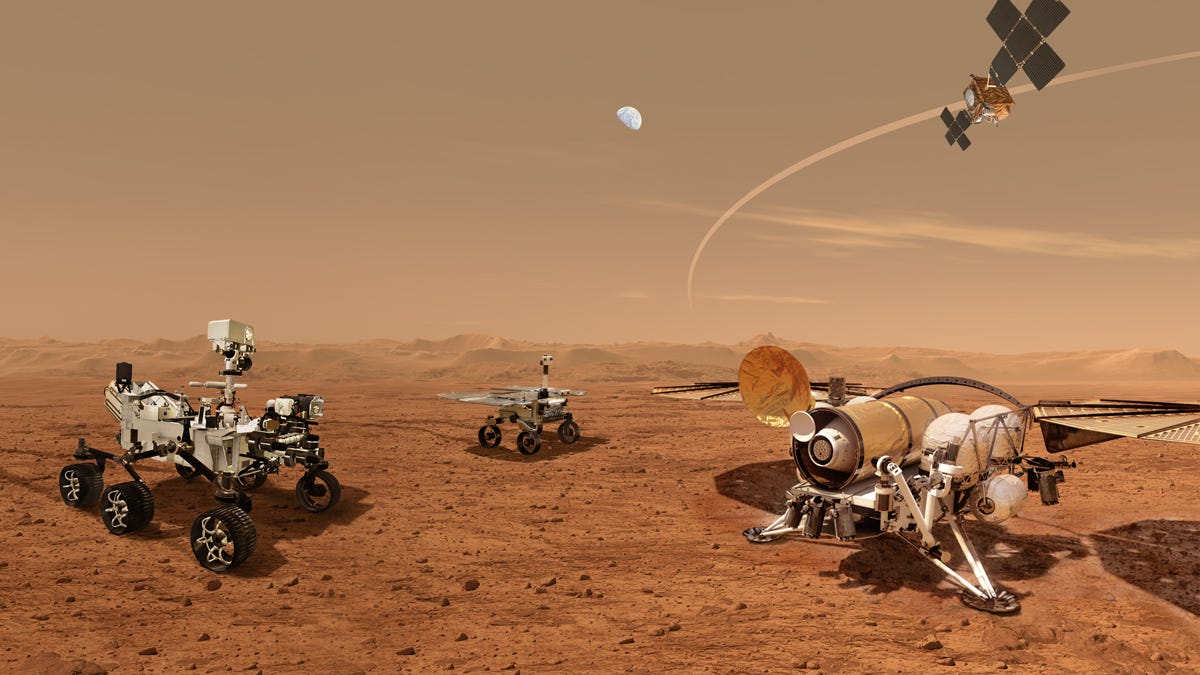
NASA has awarded a contract to Lockheed Martin to develop the rocket that will retrieve the first samples from mars to bring them back to Earth. This is one of the most difficult space missions ever attempted and it will be the first autonomous rocket lift-off on another planet. Soooooo cool and inspiring!
How easy is it to create oxygen from water on the Moon and Mars? Harder than
...This excerpt is provided for preview purposes. Full article content is available on the original publication.