I Went to Rio De Janeiro to Celebrate Carnival —Here Are 3 Black History Lessons Based on Where I Partied
I’ve been gone for a couple of weeks. Brazil pulled me in, and I’m not going to pretend I came back the same.
If you’ve been anywhere near the internet lately, you’ve seen the content. The “Brazilian Renaissance” is in full swing. Creators are flooding timelines with clips of Carnival, capoeira on the beach, açaí bowls at golden hour. Everybody wants to be Brazilian now. And honestly? I get it. Brazil is magnetic.
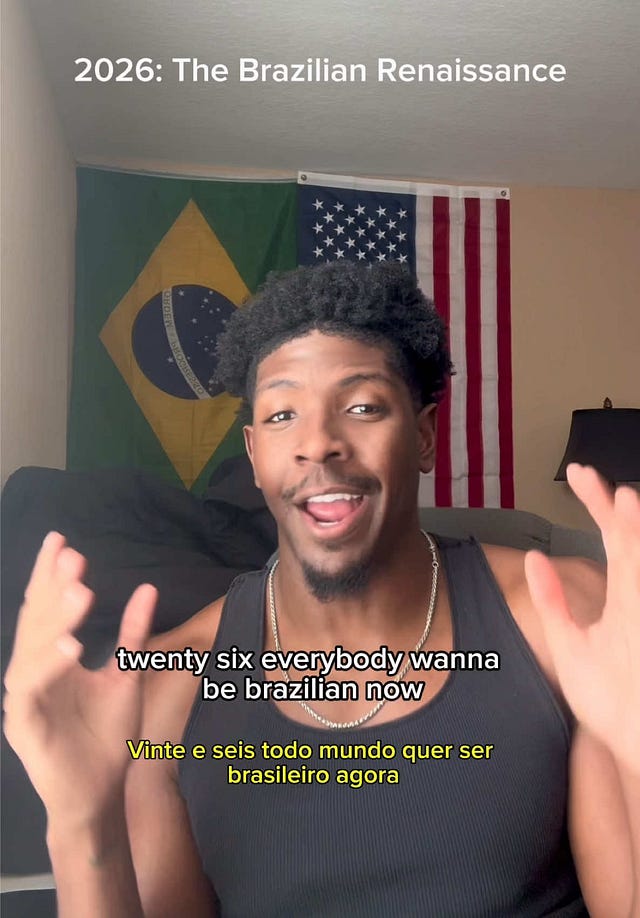
 Tiktok failed to load.
Enable 3rd party cookies or use another browser
But here's what most of that content conveniently leaves out: Black people and African-derived traditions are what built the very culture everyone is suddenly obsessed with. The music, the dance, the energy that makes Brazil feel like nowhere else on Earth didn't come from nowhere. It came from enslaved Africans and their descendants, who created beauty under some of the most brutal conditions in the Western Hemisphere and then watched their contributions get repackaged, sanitized, and sold back to the world, sometimes without credit.
I promised myself I wouldn't work too much on this trip, but now that I'm back, I figured I could at least share this with the limited footage I have. Three places I partied, along with three Black history lessons you might otherwise never hear about.
I'm fighting to document stories like these before they're erased from the "Brazilian Renaissance" narrative entirely, and I need your help.
With no corporate backing or wealthy sponsors, this work depends entirely on readers like you.
If everyone reading this became a paid subscriber, I could investigate these hidden histories full-time, but right now, less than 5% of my followers are paid subscribers.
If you believe in journalism that digs beneath the surface when everyone else is just vibing to the aesthetics, please consider a paid subscription today.
1. Samba Didn’t Start at Carnival. It Started in Chains

Every year, millions of people watch the Carnival parade and associate samba with sequins, feathers, and spectacle. What they don’t associate it with is the thing that actually created it: slavery. According to SA Vacations’ history of Brazilian samba, the dance originated from African drumming traditions brought to Brazil by enslaved people from the Congo and Angola. Salvador da Bahia, as the publication notes, became the first slave market in the New World in
...This excerpt is provided for preview purposes. Full article content is available on the original publication.