The Aftermath of the 12-Day War Between Israel and Iran
Deep Dives
Explore related topics with these Wikipedia articles, rewritten for enjoyable reading:
-
Joint Comprehensive Plan of Action
14 min read
The 2015 Iran nuclear deal is central to understanding the current conflict - the article mentions the US withdrawal in 2018 and Iran's subsequent uranium enrichment, which Israel cited as justification for the attacks
-
Fordow Uranium Enrichment Plant
14 min read
The article specifically mentions US bombing of the 'notorious Fordow plant' - understanding why this underground facility was built and its significance in Iran's nuclear program provides crucial context
-
Behesht-e Zahra
10 min read
The cemetery where the article opens is Iran's largest and most significant burial ground, containing graves of political figures, war martyrs, and revolutionaries - its history illuminates Iranian culture around martyrdom and mourning
Drop Site is a reader-funded, independent news outlet. Without your support, we can’t operate. Please consider making a 501(c)(3) tax-deductible donation today.
This article is adapted from the documentary, “Target Tehran,” produced by Al Jazeera Fault Lines. Watch the full documentary here.
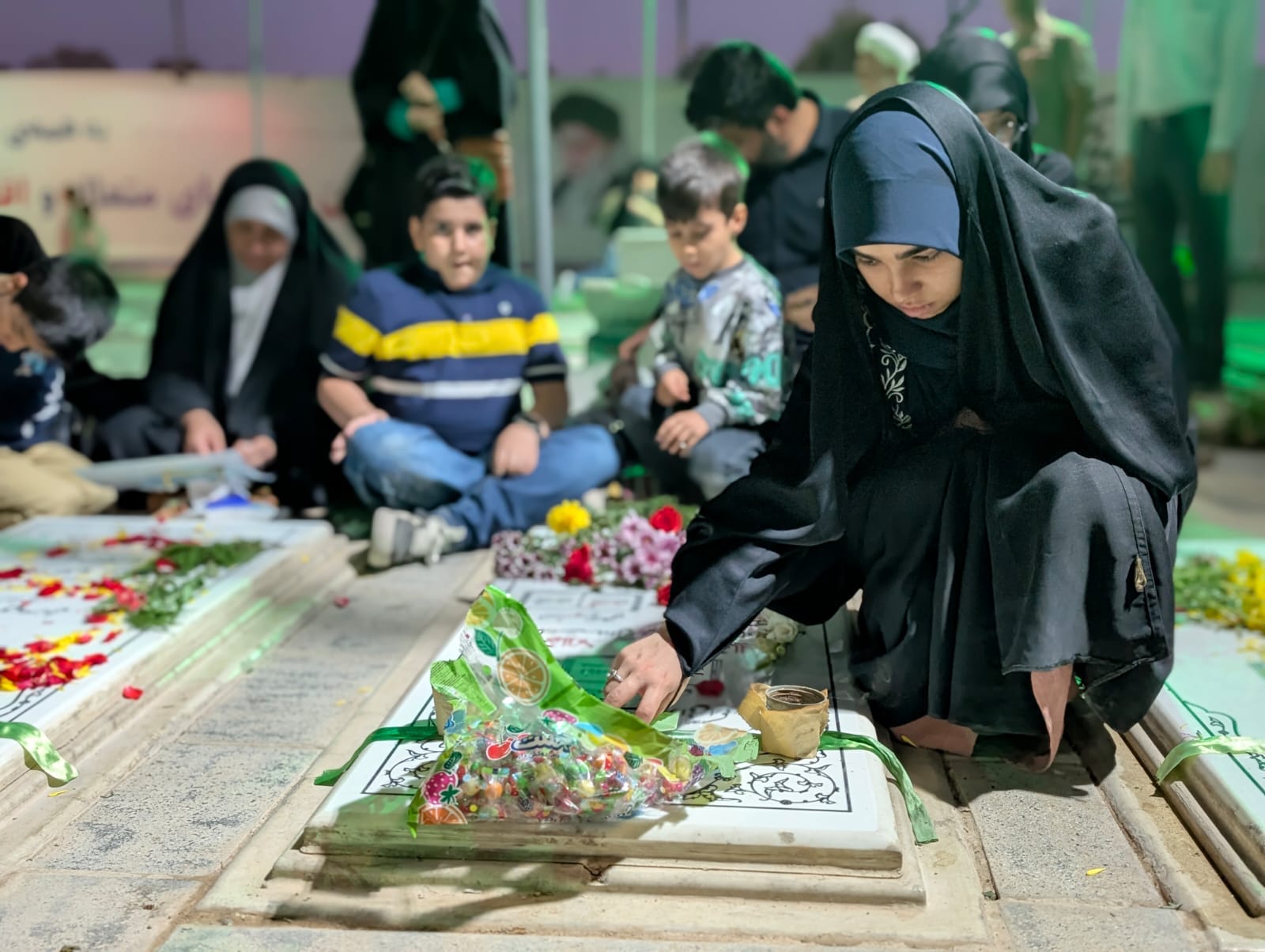
TEHRAN, IRAN—At Behesht-e Zahra cemetery in southern Tehran, families gather every Thursday to mourn their dead. Among the thousands buried, there are royalty, politicians, dissidents, and soldiers, but a new section has been set aside for those killed in Israel’s 12-day military assault on Iran in June.
On June 13, 2025, Israel launched “Operation Rising Lion,” which targeted nuclear facilities, military sites, and residential neighborhoods. The assault was backed by U.S. strikes targeting Iran’s nuclear sites on June 22. At least 1,064 Iranians were killed and thousands more injured, according to Iranian government figures. Iran retaliated with missiles and drones, killing 32 people in Israel, according to Israeli authorities.
When our team with Al Jazeera English’s documentary program, Fault Lines, visited the cemetery in Tehran in October, the area was overflowing with bereaved visitors. Young girls sang songs of martyrdom beside women collapsed over burial plots. The sound of mothers wailing for their lost children, willing them to come back, filled the air with a grief that felt intrusive to witness.
One of the graves belonged to 12-year-old Amirali, who lies next to his father, Reza Amini. It has been months since they were killed in the first hours of the war, but for his grandfather, Sayed Hossein Mir Hashemi, the pain remains fresh and overwhelming.
Flowers and rose petals covered the ornate marble gravestone. Sayed knelt slowly, touching Amirali’s name with one hand, while holding his prayer beads in the other. “I have lost two of my best people,” he said. “My son-in-law is gone. His son is gone.”
Amirali’s mother, Zahraa, and his 8-year-old brother, Amirreza, survived the strike.
“Now my daughter is left with a small child. Without a home. Who’s going to take care of her? They killed her for no reason. What kind of future is waiting for this child without a father?” Sayed asked.
Photographs of victims, including children, hang above the graves at the cemetery. Gesturing toward them, he said, “Look at all these young people. Why were they killed? Most of them
...This excerpt is provided for preview purposes. Full article content is available on the original publication.