Immigrants of Imperial Rome: Pompeii’s genetic census of the doomed
Deep Dives
Explore related topics with these Wikipedia articles, rewritten for enjoyable reading:
-
Pliny the Elder
11 min read
The article mentions his death during the eruption while attempting rescue operations, and his friendship with Vespasian. His encyclopedic work Natural History and his dramatic end at Vesuvius make him a fascinating figure readers would benefit from knowing more deeply.
Welcome back to the Unsupervised Learning Journal Club, an occasional feature for paying subscribers where I review interesting papers in human population genomics. In the spirit of a conventional journal club, after each post, interested subscribers can vote on papers for future editions.
Here are the most recent past editions:
Genghis Khan, the Golden Horde and an 842-year-old paternity test
Re-writing the human family tree one skull at a time
Ghost Population in the Machine: AI finds Out-of-Africa plot twists in Papuan DNA
Free subscribers can get a sense of the format from my ungated coverage of two favorite 2024 papers:
The other man: Neanderthal findings test our power of imagination
We were selected: tracing what humans were made for
Unsupervised Learning Journal Club #10
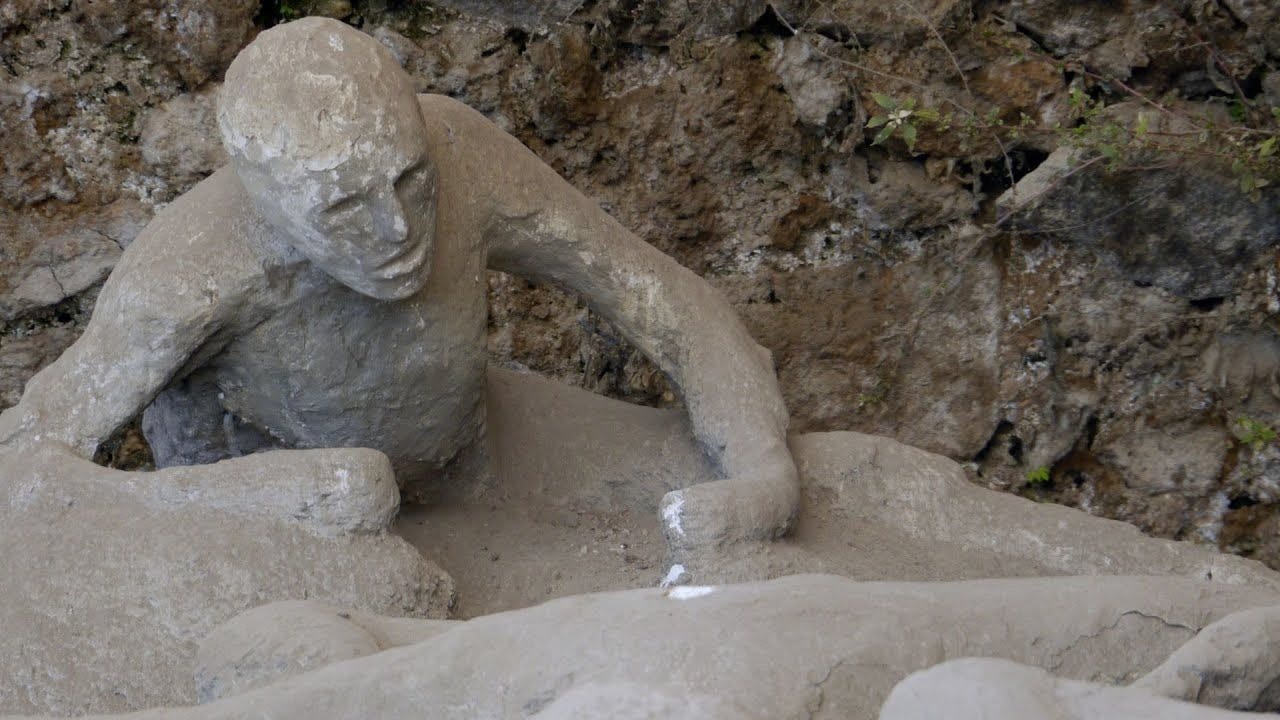
Today we’re reviewing a Cell paper, Ancient DNA challenges prevailing interpretations of the Pompeii plaster casts (2024). The authors use paleogenetics to shine new light on the backgrounds of the famous victims of one of history’s best-known natural disasters. It comes out of Alissa Mitnick’s group at Max Planck Institute. The first author is Elena Pilli of the Università di Firenze.
The End of the World As They Knew It
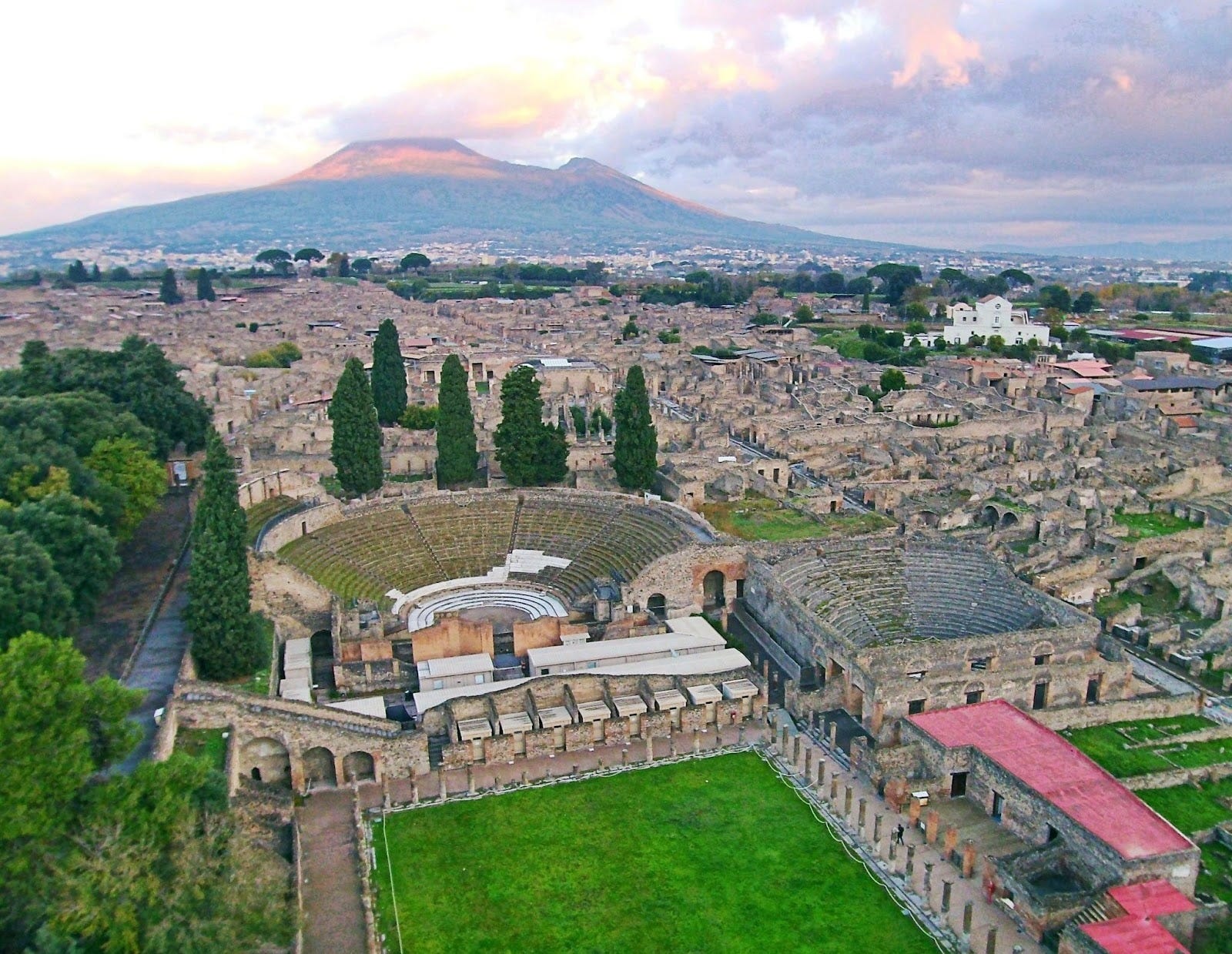
“Its general appearance can best be expressed as being like an umbrella pine, for it rose to a great height on a sort of trunk and then split off into branches, I imagine because it was thrust upwards by the first blast and then left unsupported as the pressure subsided, or else it was borne down by its own weight so that it spread out and gradually dispersed. In places it looked white, elsewhere blotched and dirty, according to the amount of soil and ashes it carried with it.”
- Pliny the Younger, 79 AD, later recalling his distant view of Mt. Vesuvius’ volcanic plumes
In 79 AD, Imperial Rome’s first flowering had passed. Over a decade prior, Nero, the last of the Julio-Claudians, had committed suicide. The end of Rome’s first imperial dynasty left a leadership vacuum that sparked civil war, eventually bringing Vespasian to the throne. A humble Italian from a town northeast of Rome, Vespasian had no roots in the great city itself. Ironically, it was he who established the practice of the Roman sovereign bearing the title imperator;
...This excerpt is provided for preview purposes. Full article content is available on the original publication.