Does My Love for a Straight Man Change My Queer Identity?
Deep Dives
Explore related topics with these Wikipedia articles, rewritten for enjoyable reading:
-
James Baldwin
15 min read
The article opens with a quote from Baldwin's 'The Devil Finds Work' about identity as a garment. Baldwin was a queer Black writer whose work deeply explored identity, sexuality, and the tension between social categories and authentic selfhood - themes central to this memoir.
-
Maitrī
13 min read
The author describes practicing metta phrases ('May all beings be happy') at a silent meditation retreat. Understanding the Buddhist concept of loving-kindness meditation provides context for the spiritual framework through which she processes her identity and relationships.
-
Kinsey scale
9 min read
The memoir explores sexuality as a spectrum - the author describes herself as 'mostly lesbian' while having meaningful relationships with men. The Kinsey scale was foundational in conceptualizing sexuality as continuous rather than binary, directly relevant to her exploration of identity.
With just 4 days left to submit your story to the 2025 Narratively Memoir Prize, we’re sharing a crowd favorite: Rachel Parsons’ fascinating finalist essay in our 2023 Memoir Prize. Enjoy this riveting read, then polish your own personal essay and submit by Sunday!
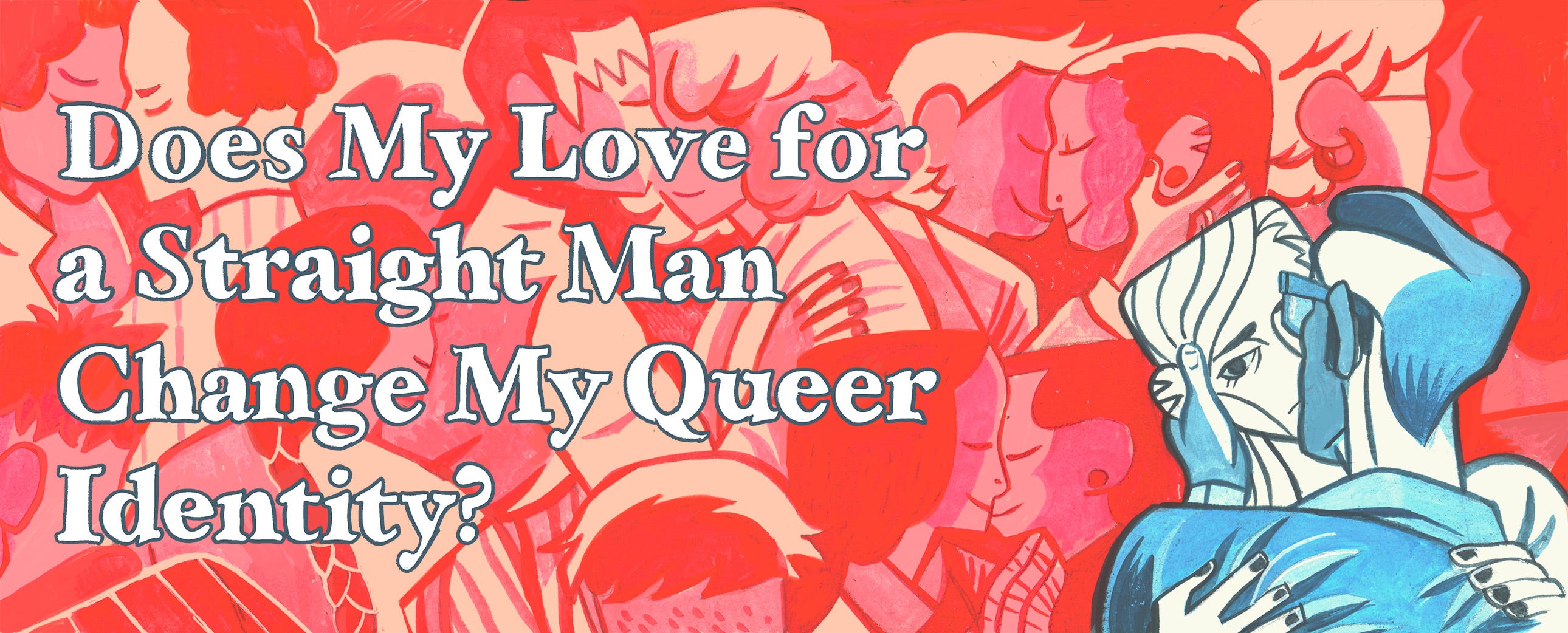

“Identity would seem to be the garment with which one covers the nakedness of the self: in which case, it is best that the garment be loose, a little like the robes of the desert, through which one’s nakedness can always be felt, and, sometimes, discerned. This trust in one’s nakedness is all that gives one the power to change one’s robes.”
—James Baldwin, The Devil Finds Work
I’m 33 years old, walking with nowhere to go. The monastery grounds are lush, adorned with creeping dogwood, hawthorn trees and bee balm. Queers are spread across patches of earth: pacing, breathing, silently repeating metta phrases. “May all beings be happy. May all beings be free.” We gather at the Garrison Institute in the Hudson Valley, holding each other for four days in silent meditation. I’m dressed down, in yoga pants and an old Close Guantánamo T-shirt, relaxed with people who’ve become spiritual family. It’s a refuge I seek every year, a place for me to experience who I am beneath my social identities.
My favorite spot’s down the stone steps, past the vindictive rose bushes, at the bottom of the hill, where forest greets manicured grounds. There’s a dirt path there, widened from years of travel. I take 20 paces forward: stop, turn, repeat.
I’m alongside a mossy upturned tree. Her trunk’s soft on the ground, roots unearthed and gloriously reaching. I try to concentrate on soil under toes, but my mind wanders. I let it. I broke up with my fiancée, Sin, a week before; she’s still in our creaky rent-controlled Park Slope apartment. She won’t move out for several weeks, after the screaming, the dent in the wall and the bloody commas on my knuckles. But this battle hasn’t happened yet. Right now, I’m here in the quiet, waiting for grief that won’t arrive.
Where the sorrow should live I expect emptiness, but there’s burgeoning peace. I’ve been in anticipatory mourning for months now, this the quiet climax. “I’m ready for my person,” I pray as I pace, laying my invocation at the tree’s roots.
...This excerpt is provided for preview purposes. Full article content is available on the original publication.