We Have the King That Thomas Paine Feared
Deep Dives
Explore related topics with these Wikipedia articles, rewritten for enjoyable reading:
-
International Emergency Economic Powers Act
11 min read
The article discusses a Supreme Court case challenging Trump's tariffs under IEEPA. Understanding this 1977 law's scope, history, and previous legal challenges provides crucial context for the constitutional questions at stake.
-
Rule of law
13 min read
The article's central theme contrasts the rule of law with executive overreach. A deep dive into this philosophical and legal concept—its origins, components, and how different political systems interpret it—provides intellectual grounding for the article's arguments.
Two big bits of economic news this morning. The jobs numbers came in showing a middling 50,000 jobs created in December. Worse, the report made revisions to the two prior months’ numbers, reducing the estimated number of jobs gained by 76,000.
Meanwhile, the Supreme Court is widely expected to hand down a ruling this morning on Trump’s massive global “Liberation Day” tariffs. If they rule that Trump exceeded his presidential authority in implementing those tariffs under the International Emergency Economic Powers Act, it would be a massive blow to the president’s trade policy—but possibly a substantial boost to the economy, if SCOTUS ordered the Treasury to refund nearly $150 billion in collected duties to U.S. companies.
Trump has argued for months that a ruling against him in this matter would be apocalyptic for America, calling it “literally LIFE OR DEATH for our country.” If SCOTUS does strike down the tariffs, he’s expected to try to put them back in place using a different authority. Happy Friday.
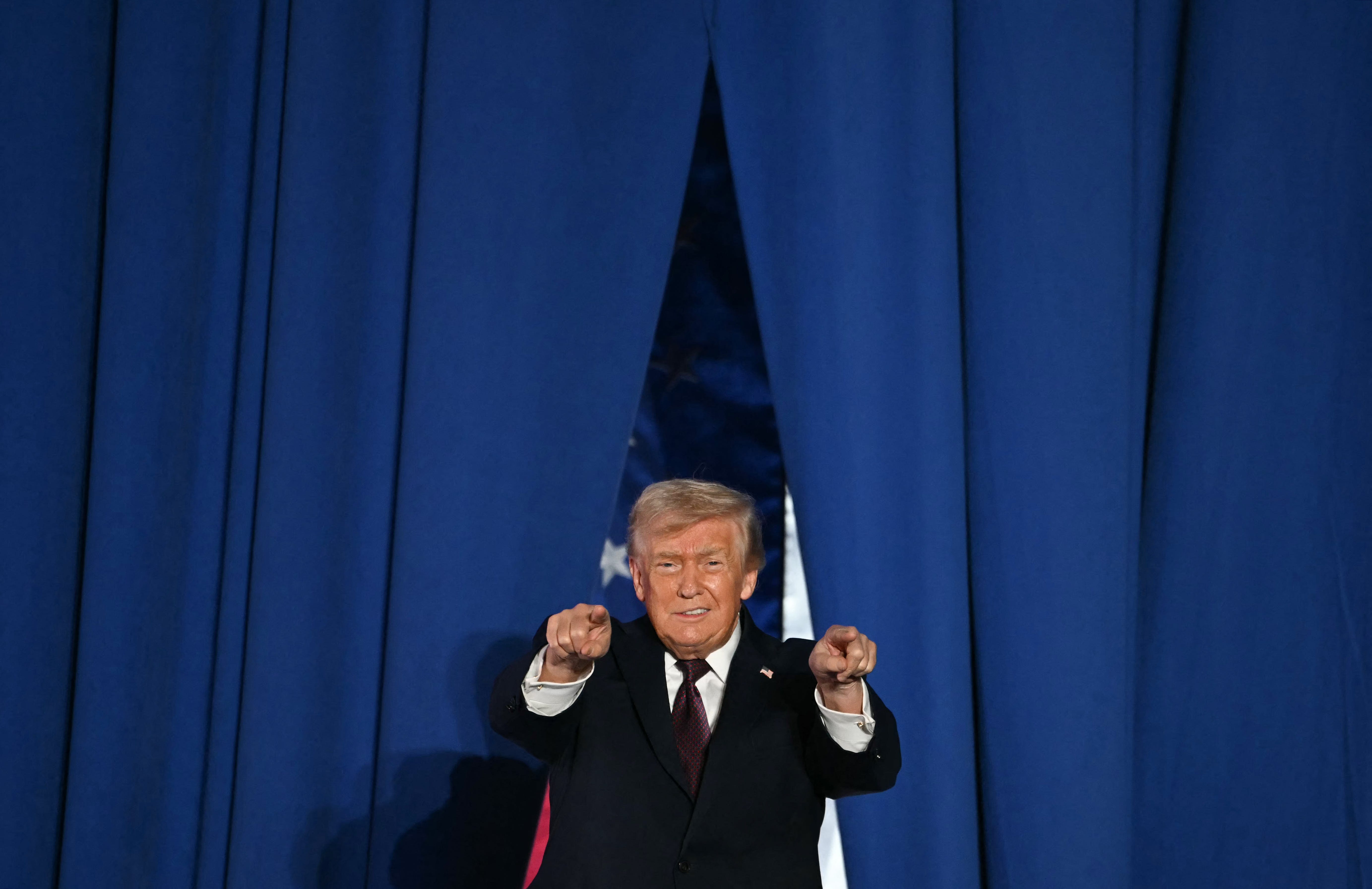
Is the Law Still King?
by William Kristol
Two-hundred fifty years ago tomorrow, on January 10, 1776, in Philadelphia, Thomas Paine published his pamphlet Common Sense. Six months before the Declaration, Paine made the argument for independence directly to the people. The pamphlet was a sensation, and seems to have been read and discussed almost immediately and everywhere. The numbers are a bit fuzzy (there was no New York Times best seller list then!), but Common Sense seems to have sold something like 100,000 copies in a few months. In proportion to the population at that time, it may have had the largest sale and circulation of any book in American history.
As a key part of his argument, Paine makes the general case against hereditary or absolute monarchy, and for popular government and the rule of law. Here’s the famous paragraph:
But where, say some, is the King of America? I’ll tell you, friend, he reigns above, and doth not make havoc of mankind like the Royal Brute of Great Britain. . . . [T]he world may know, that so far as we approve of monarchy, that in America the law is king. For as in absolute governments the King is law, so in free countries the law ought to be king; and there ought to be no other.
From the beginning, the
...This excerpt is provided for preview purposes. Full article content is available on the original publication.